
Complete Guide to Bee Removal in Orlando
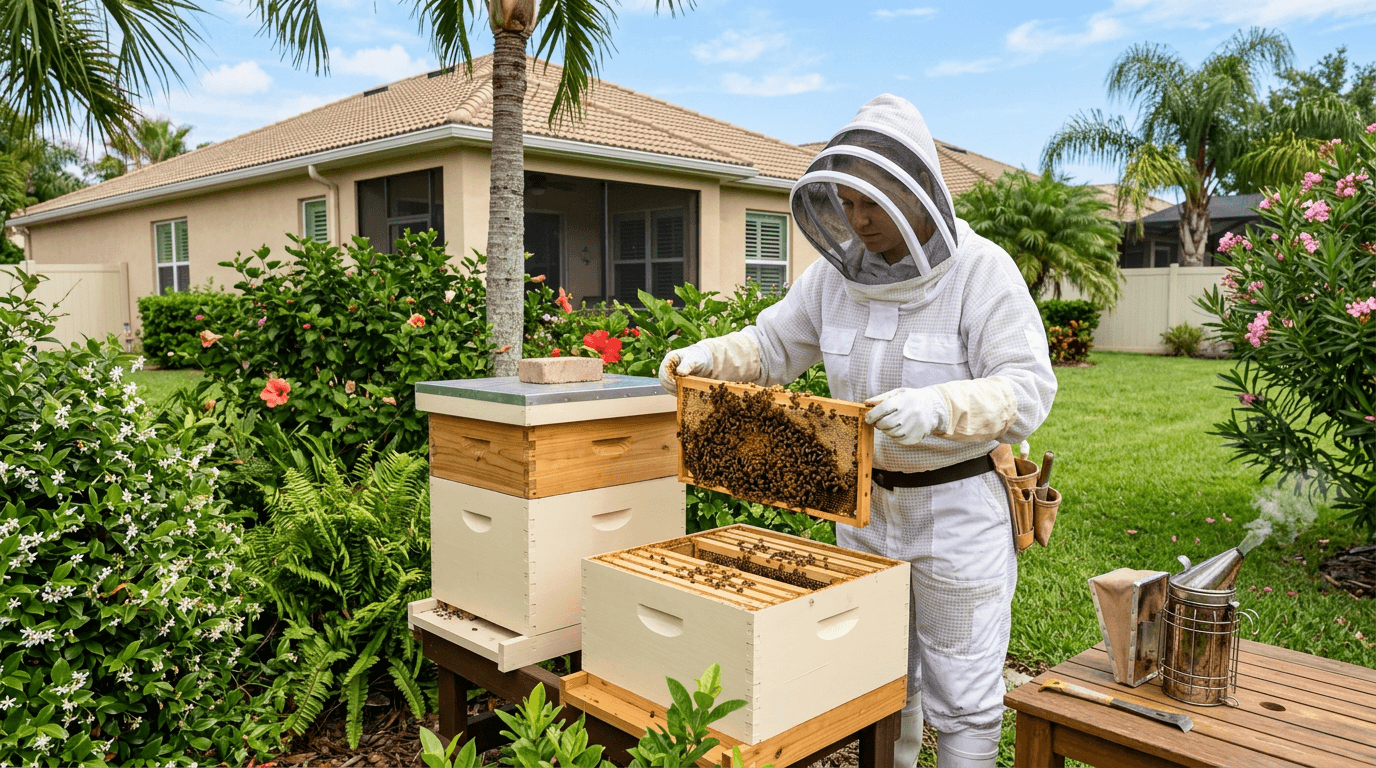
If you're dealing with bees on your property in the Orlando area, you're not alone. Bee removal in Orlando is one of the most common calls we receive at The Other Bee Guy—especially between March and July, when honey bee colonies swarm and scout for new nesting sites. Central Florida's warm, subtropical climate makes it a year-round hotspot for bee activity, and understanding your options is the first step toward resolving the situation safely.
As a Florida state-certified beekeeper with over a decade of hands-on experience, James Caperton founded The Other Bee Guy to offer homeowners a humane alternative to extermination. Our approach centers on live bee removal and bee relocation—protecting both your family and the pollinators our ecosystem depends on.
This guide covers everything Orlando homeowners need to know: how to identify a bee problem, when to call a professional, what the removal process looks like, how much it typically costs, and how to prevent bees from returning.
Why Orlando Is a Hotspot for Bee Activity
Central Florida's climate creates ideal conditions for honey bees, Africanized bees, carpenter bees, and dozens of native species. Several factors make the greater Orlando area particularly prone to bee encounters:
- Year-round warmth allows colonies to remain active through winter, unlike northern states where bees go dormant
- Abundant flowering plants provide consistent nectar sources—from citrus groves to tropical landscaping
- Urban sprawl pushes bees into residential areas as natural habitats shrink
- Older homes with gaps in soffits, siding, and rooflines offer attractive nesting cavities
We've removed colonies from homes in Winter Park, Kissimmee, Lake Nona, Dr. Phillips, Altamonte Springs, and throughout Orange, Osceola, and Seminole counties. Each situation is different, but the underlying factors remain the same.
Types of Bees You'll Encounter in Orlando
Not every bee you see warrants a removal call. Understanding what you're dealing with helps you respond appropriately.
Honey Bees
The most common species involved in structural infestations. Honey bees build large wax combs inside walls, attics, soffits, and trees. A mature colony can contain 40,000–60,000 bees and produce significant amounts of honeycomb. These are the bees we relocate most often through our bee hive relocation service.
Africanized Honey Bees
Visually identical to European honey bees but significantly more defensive. They react faster, attack in larger numbers, and chase threats much farther. Florida has had confirmed Africanized bee populations since the early 1990s. Read our detailed breakdown in Africanized Bees vs Honey Bees.
Carpenter Bees
Large, solitary bees that drill into wood rather than forming hive colonies. They damage decks, fascia boards, and eaves over time. We cover identification, prevention, and removal extensively in our carpenter bee articles.
Bumblebees
Ground-nesting bees that typically form small colonies. They're excellent pollinators and rarely aggressive unless their nest is disturbed. Learn more in our guide on bees that nest in the ground.
Wasps, Hornets, and Yellow Jackets
Not bees, but often confused for them. These stinging insects require a different approach. See our posts on Florida yellow jackets and wasps for identification tips.
Signs You Have a Bee Problem
Early detection saves time, money, and stress. Here are the warning signs we tell every Orlando homeowner to watch for:
- Steady traffic in one spot — Bees flying in and out of a specific gap, vent, or crack in your home's exterior
- Buzzing in the walls — A low, constant hum coming from inside a wall, ceiling, or floor
- Dark stains or moisture — Honey leaking through drywall or stucco as a hive grows
- Increased indoor sightings — Multiple bees inside your home over several days
- Swarm on your property — A large, clustered ball of bees hanging from a tree branch, fence, or overhang
A swarm is actually the least urgent scenario—it's a temporary stop while scout bees search for a permanent home. But a colony that has moved into your walls or attic demands prompt attention. The longer it stays, the larger the hive grows, and the more difficult and costly removal becomes.
For a deeper dive, see our guide on bees in house removal and relocation.
The Bee Removal Process: What to Expect
When you contact The Other Bee Guy, here's how we handle a typical Orlando bee removal from start to finish:
1. Initial Assessment
We start with a phone consultation or on-site inspection. We ask about the location of the activity, how long it's been going on, and any access concerns. Photos or videos from you are extremely helpful.
2. Species Identification
On-site, we determine the type of bee and assess colony size, location, and accessibility. This determines whether the job is a straightforward removal or requires structural access (opening walls, removing soffits, etc.).
3. Live Removal
Using specialized equipment—including bee vacuums, smokers, and protective gear—we carefully extract the bees alive. The queen is located and secured first, which calms the colony and makes the rest of the process smoother.
4. Comb and Honey Extraction
Leaving honeycomb behind is one of the biggest mistakes in bee removal. Abandoned comb attracts new swarms, rodents, ants, and beetles, and melting honey can cause structural damage. We remove all wax and honey from the cavity.
5. Relocation
The extracted colony is transported to a safe environment—either our own apiaries or trusted local beekeepers. Many of these colonies go on to produce the local honey we sell. It's one of the most rewarding parts of what we do.
6. Exclusion and Prevention
After removal, we seal the entry points to prevent reinfestation. We also advise on other vulnerable areas around your property.
To see this process in detail, visit Our Process.
How Much Does Bee Removal Cost in Orlando?
Pricing varies based on several factors, but Orlando homeowners can generally expect:
| Factor | Impact on Cost |
|---|---|
| Location of the hive | Hives inside walls, roofs, or elevated structures cost more than exposed or ground-level hives |
| Colony size | Larger, established colonies take more time and equipment |
| Structural access needed | If drywall, stucco, or soffits need to be opened, costs increase |
| Species | Africanized bee removals may require additional safety measures |
| Emergency timing | Same-day or weekend calls may carry a premium |
We always provide a clear estimate before any work begins—no hidden fees, no surprises.
Why Humane Bee Removal Matters
It's tempting to reach for a can of wasp spray when bees show up on your property. But extermination creates more problems than it solves:
- Dead bees and comb left inside walls attract secondary pests and cause structural damage
- Pesticides contaminate honey, which can seep through walls and ceilings
- Killing bees doesn't prevent future colonies from moving into the same spot
- Honey bees are critical pollinators — one-third of our food supply depends on them
At The Other Bee Guy, we believe the right approach protects both people and pollinators. Our bee relocation process gives every colony a chance to thrive in a safe location while permanently solving your problem.
We go deeper on this topic in Bee Removal vs. Extermination: Why It Matters.
Preventing Bees from Returning
Once we've removed a colony and sealed the entry points, there are additional steps you can take to minimize future encounters:
- Inspect your home's exterior annually — Look for new gaps in siding, soffits, rooflines, and around utility penetrations
- Install vent screens and chimney caps — These are some of the most common entry points we see
- Trim vegetation near the house — Overgrown landscaping touching your home's exterior creates sheltered pathways for bees
- Address water sources — Standing water from irrigation or AC drip lines attracts scouting bees
- Act on early signs — A few scout bees today can become a full colony within a week. Don't wait.
Natural deterrents like peppermint oil sprays can help discourage scouts without harming bees. Read more in our peppermint oil pest control guide.
Orlando Bee Removal for Commercial Properties
We serve more than just homeowners. Our commercial bee removal clients include:
- Property management companies dealing with bee complaints across multiple units
- HOA communities where bees in common areas pose liability concerns
- Schools and daycare facilities that need immediate, child-safe solutions
- Restaurants and retail businesses where outdoor bee activity affects customers
- Construction sites that uncover ground nests or disturb existing colonies during grading
Commercial situations often involve higher foot traffic and tighter timelines. We work efficiently and discreetly to resolve the issue with minimal disruption. Reach out through our contact page for commercial inquiries.
Frequently Asked Questions
How quickly can you respond to a bee removal call in Orlando?
In most cases, we can schedule an inspection within 24–48 hours. For emergency situations—such as Africanized bee encounters or bees in high-traffic areas—we offer same-day service when possible.
Is it legal to kill bees in Florida?
While there's no blanket law prohibiting killing honey bees in Florida, the state strongly encourages live removal through its registered beekeeper program. As a certified Florida beekeeper, we follow all state guidelines for safe, legal bee management.
Can I remove bees myself?
We strongly advise against it. Without proper equipment and training, DIY removal risks provoking the colony, getting stung, or leaving behind comb that causes long-term problems. Professional removal ensures the job is done completely and safely.
What happens to the bees after removal?
Every colony we remove is relocated to a safe environment—either our own managed apiaries or those of trusted local beekeepers. Many go on to produce local honey and support pollination in the region.
Do you service areas outside of Orlando?
Yes. We serve the greater Orlando area including Winter Park, Kissimmee, Lake Nona, Altamonte Springs, Sanford, Clermont, and surrounding communities in Orange, Osceola, and Seminole counties.
Related Articles
- Bees in House? Safe Removal & Relocation
- Bees in Shed: Safe Removal Guide
- Beehive Infestation Removal
- When to Call a Professional Bee Remover
- Bee Removal vs. Extermination: Why It Matters
- How to Know If Your Bee Nest Is Honey Bees
- Spring Swarm Season in Florida: What Homeowners Need to Know
Need Bee Removal in Orlando? Contact The Other Bee Guy
Whether you're dealing with a swarm in your backyard, buzzing in your walls, or bees nesting in your shed, The Other Bee Guy is here to help. We bring over a decade of professional beekeeping experience, a humane-first approach, and the trust of hundreds of satisfied Orlando homeowners.
Call us at (407) 473-8585 or request an inspection online. We'll assess your situation, explain your options, and get to work protecting your home and the bees.