
The Purpose for Wasps: Why These Insects Matter
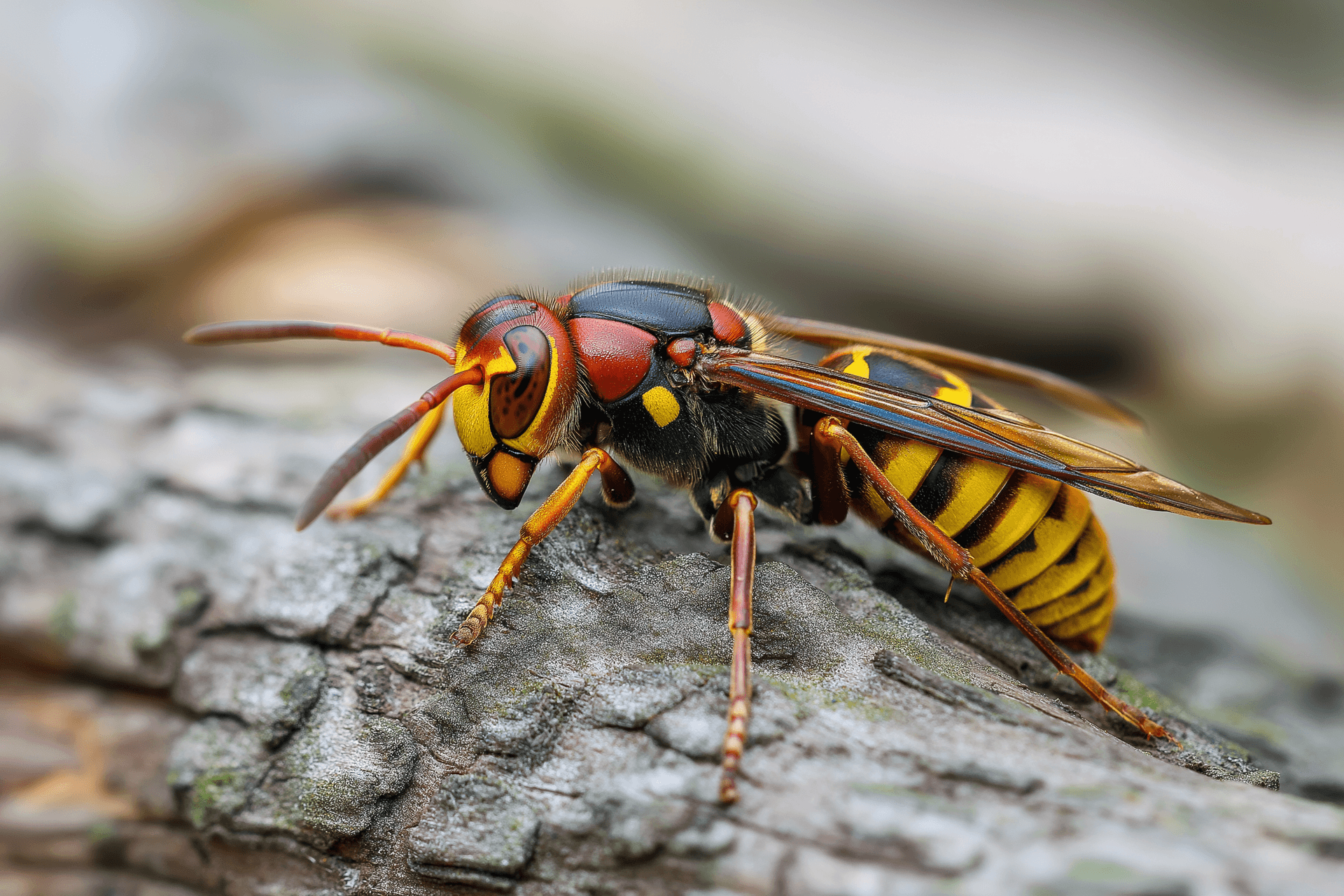
Few insects inspire as much fear and frustration as wasps. They crash picnics, build nests in inconvenient places, and deliver painful stings when disturbed. It's no wonder so many people ask: are wasps bad? And what exactly is the purpose for wasps in our ecosystem?
At The Other Bee Guy, we specialize in bee removal and relocation—but we understand stinging insects of all kinds. While bees are our passion, we've learned to appreciate the important role wasps play in Florida's ecosystem. In this article, we'll explore why wasps exist, what they contribute to the environment, and why eliminating them entirely would actually be a very bad idea.
What Is the Purpose for Wasps?
Despite their bad reputation, wasps serve several critical ecological functions. The purpose for wasps extends far beyond ruining your outdoor barbecue—these insects are essential components of healthy ecosystems.
Natural Pest Control
The single most important purpose for wasps is pest control. Wasps are voracious predators that hunt and kill massive quantities of insects that would otherwise damage crops, gardens, and forests.
What wasps eat:
- Caterpillars
- Aphids
- Flies
- Mosquitoes
- Beetle larvae
- Grasshoppers
- Spiders
- Other pest insects
A single wasp colony can capture thousands of pest insects during a summer season. Paper wasps alone kill an estimated 2 million metric tons of prey insects annually worldwide. Without wasps, pest populations would explode, requiring significantly more chemical pesticides to control agricultural damage.
Pollination
While bees get most of the pollination credit (and rightfully so—they're specialists), wasps also contribute to plant reproduction. Many wasp species visit flowers to feed on nectar, inadvertently transferring pollen as they move from bloom to bloom.
Plants that benefit from wasp pollination:
- Figs (certain species depend entirely on fig wasps)
- Orchids
- Various wildflowers
- Some food crops
Certain plants have evolved specifically to attract wasps. The fig-wasp relationship is so specialized that neither can reproduce without the other—a partnership millions of years in the making.
Decomposition and Nutrient Cycling
Some wasp species help break down dead organic matter and return nutrients to the soil. Yellowjackets, for example, scavenge dead insects and carrion, accelerating decomposition and nutrient cycling.
This cleanup function helps:
- Reduce disease spread from decaying matter
- Return nutrients to the ecosystem faster
- Support soil health and plant growth
Food Source for Other Wildlife
Wasps themselves are food for numerous animals:
- Birds (especially during nesting season)
- Lizards and frogs
- Spiders
- Other predatory insects
- Small mammals
Removing wasps from the food web would impact species that depend on them for nutrition, creating ripple effects throughout the ecosystem.
Are Wasps Bad?
So, are wasps bad? The honest answer is: it depends on context.
When Wasps Seem "Bad"
Wasps earn their negative reputation in specific situations:
Aggressive behavior:
- Yellowjackets become highly aggressive in late summer and fall
- Wasps defend their nests vigorously
- Some species sting multiple times
- Stings are painful and can cause allergic reactions
Inconvenient nesting:
- Building nests near doors and walkways
- Nesting in attics, sheds, and play equipment
- Establishing colonies in wall voids
- Returning to the same locations year after year
Picnic crashers:
- Attraction to sugary foods and drinks
- Meat-seeking behavior (protein for larvae)
- Persistent, annoying presence at outdoor events
In these contexts, wasps certainly feel like pests. And for people with wasp sting allergies, they can pose genuine health risks.
Why Wasps Aren't Actually "Bad"
From an ecological perspective, wasps are neither good nor bad—they simply fill an important niche. Consider:
Pest control benefits:
Without wasps, you'd likely need more pesticides in your garden. The caterpillars, aphids, and other pests wasps consume would otherwise devastate plants. Many farmers and gardeners actually welcome wasps because they protect crops naturally.
Pollination contributions:
While less efficient than bees, wasp pollination still matters. Some plants depend primarily or exclusively on wasp pollinators.
Ecosystem balance:
Wasps are part of complex food webs. Eliminating them would harm birds, reptiles, and other species that eat them—plus allow pest insect populations to boom.
They're not hunting you:
Wasps sting defensively, not aggressively. They're not seeking you out as prey. Most stings occur when people accidentally disturb nests or swat at wasps, triggering defensive responses.
Wasps vs. Bees: Understanding the Difference
Many people lump all stinging insects together, but understanding the differences helps you respond appropriately to each.
Key Differences
| Characteristic | Wasps | Bees |
|---|---|---|
| Body shape | Slender, smooth, narrow waist | Rounder, fuzzy/hairy |
| Diet | Predators (insects) + sugars | Herbivores (nectar and pollen) |
| Behavior | More aggressive, especially fall | Generally docile unless threatened |
| Sting | Can sting repeatedly | Most die after stinging (honey bees) |
| Colony lifespan | Annual (dies off each winter) | Perennial (survives winter) |
| Nesting | Paper nests, ground, cavities | Wax combs in protected spaces |
| Pollination | Secondary/incidental | Primary ecological function |
| Honey production | None | Yes (honey bees) |
Why We Focus on Bees
At The Other Bee Guy, we specialize in bee relocation rather than wasp removal for several reasons:
Bees are irreplaceable pollinators:
Honey bees and native bees pollinate about one-third of our food supply. Their populations are declining, making every colony precious.
Bees can be relocated:
Bee colonies, centered around a queen, can be carefully moved to new locations where they'll thrive and continue their vital work.
Bees produce honey:
The colonies we relocate often go on to produce delicious local honey—a tangible benefit from humane removal.
Bee behavior allows safe handling:
With proper techniques, bees can be managed without killing them. They're focused on their colony, not on attacking humans.
Wasps, while ecologically valuable, typically can't be relocated the same way. Their annual colonies die off each winter anyway, and their nesting behavior makes live removal impractical in most cases.
Common Wasp Species and Their Purposes
Florida hosts numerous wasp species, each with its own ecological role:
Paper Wasps
Appearance: Slender, brown or reddish with yellow markings; long legs
Nest style: Open, umbrella-shaped paper nests under eaves and in sheltered areas
Purpose for wasps (paper wasps):
- Excellent caterpillar hunters
- Help control garden pests
- Minor pollinators
- Relatively docile unless nest is disturbed
Paper wasps are among the most beneficial wasps for homeowners. They patrol gardens eating pest insects and rarely sting unless their nest is directly threatened.
Yellowjackets
Appearance: Black and yellow stripes; stocky build
Nest style: Underground or in wall voids; large enclosed paper nests
Purpose for wasps (yellowjackets):
- Aggressive pest hunters
- Scavengers that clean up dead insects and meat
- Important food source for birds
- Control fly populations
Yellowjackets are the species most responsible for wasps' bad reputation. They become extremely aggressive in fall when colonies are largest and natural food becomes scarce. However, their pest control contributions are substantial.
Mud Daubers
Appearance: Long, slender; usually black or metallic blue
Nest style: Tube-like mud structures on walls and overhangs
Purpose for wasps (mud daubers):
- Spider specialists—they hunt and paralyze spiders
- Help control black widow and other spider populations
- Solitary and rarely sting
- Excellent pest control with minimal human conflict
Mud daubers are among the most beneficial wasps for humans. They control spider populations and almost never sting people.
Cicada Killers
Appearance: Very large (up to 2 inches); black with yellow markings
Nest style: Ground burrows in sandy soil
Purpose for wasps (cicada killers):
- Control cicada populations
- Despite intimidating size, rarely sting humans
- Solitary nesters
- Important part of cicada population balance
These impressive wasps look terrifying but are actually quite docile. Females focus entirely on hunting cicadas to provision their nests.
Great Black Wasps
Appearance: Large, entirely shiny black
Nest style: Ground burrows
Purpose for wasps (great black wasps):
- Hunt grasshoppers and katydids
- Important agricultural pest control
- Pollinate various flowers
- Rarely aggressive toward humans
Living with Wasps: Practical Coexistence
Understanding the purpose for wasps doesn't mean you need to welcome them into your living spaces. Here's how to coexist safely:
When to Leave Wasps Alone
Consider tolerating wasps when:
- Nests are away from high-traffic areas
- The colony is small (early season)
- Wasps are providing pest control in your garden
- No one in your household is allergic
A paper wasp nest in a back corner of your yard is actually doing you a favor—those wasps are hunting the caterpillars that would otherwise eat your plants.
When to Take Action
Address wasp issues when:
- Nests are near entrances, play areas, or high-traffic zones
- Colony size becomes dangerous
- Someone in your home is allergic to stings
- Wasps are nesting inside your structure
- Aggressive behavior creates safety concerns
Prevention Tips
Reduce wasp problems before they start:
- Seal garbage cans tightly
- Clean up fallen fruit promptly
- Cover food and drinks at outdoor events
- Seal gaps and cracks where wasps might nest
- Remove abandoned nests in winter (prevents reuse)
- Inspect eaves and overhangs in early spring
Safe Behavior Around Wasps
If you encounter wasps:
- Move slowly and calmly
- Don't swat—quick movements trigger defensive responses
- Avoid wearing sweet fragrances outdoors
- Skip bright floral patterns in clothing during peak season
- Watch where you step, especially in grassy areas
- Keep car windows rolled up when parked
What to Do When Wasps Become a Problem
While we specialize in bee removal, we understand that wasp problems require solutions too. Here's our guidance:
For Small Nests
Small paper wasp nests (golf ball to tennis ball size) early in the season can sometimes be addressed with careful removal at night when wasps are dormant. However, this carries sting risk—especially if you're uncertain of the species or your reaction to stings.
For Large or Inaccessible Nests
Large colonies, ground nests, or nests inside structures typically require professional pest control. Unlike bees, wasps generally cannot be humanely relocated, and large colonies pose significant sting risks.
For Bees (Not Wasps)
If you're unsure whether you have bees or wasps, contact us with a photo. We're happy to help identify the insects and recommend appropriate action.
Signs you have bees, not wasps:
- Fuzzy, round insects
- Insects carrying visible pollen on their legs
- Presence of waxy honeycomb
- Generally calm behavior (not aggressive)
- Continuous activity at a single entry point
If you have bees, we strongly encourage relocation rather than extermination. Bees are too valuable to kill, and our process ensures safe removal while preserving these essential pollinators.
The Bigger Picture: Insects and Ecosystem Health
Both wasps and bees remind us that the insects we often fear or dislike serve essential purposes. A healthy ecosystem needs:
- Pollinators (bees, butterflies, some wasps) to reproduce plants
- Predators (wasps, dragonflies, spiders) to control pest populations
- Decomposers (beetles, flies, some wasps) to recycle nutrients
- Food sources for birds, reptiles, and mammals
When we eliminate any part of this system, we create imbalances. Fewer wasps mean more pest insects. Fewer bees mean less pollination. Fewer insects overall mean hungry birds and disrupted food chains.
This is why we approach bee removal with relocation in mind—and why we encourage people to think twice before eliminating wasps unnecessarily.
Frequently Asked Questions
Do wasps serve any purpose?
Yes! The primary purpose for wasps is natural pest control. They kill billions of pest insects annually, protecting crops and gardens. They also pollinate plants, clean up dead matter, and serve as food for other wildlife.
Are wasps good for anything?
Absolutely. Wasps control caterpillars, aphids, flies, and other pest insects without chemical pesticides. Some plants depend on wasps for pollination. Gardens and farms with healthy wasp populations typically have fewer pest problems.
Why shouldn't I kill all the wasps in my yard?
Eliminating wasps would allow pest insect populations to boom, likely requiring more pesticides to control. You'd also remove food sources for birds and other wildlife. Unless wasps pose a direct safety threat, they're better left alone.
Are wasps more dangerous than bees?
Wasps can sting multiple times (bees typically sting once and die), and some species are more aggressive—especially yellowjackets in fall. However, both cause similar allergic reactions in sensitive individuals. For most people, neither poses serious danger unless nests are disturbed.
What's the difference between a wasp and a hornet?
Hornets are a type of wasp—specifically, large social wasps. In Florida, "bald-faced hornets" (actually a type of yellowjacket) are the most common. They build large paper nests in trees and can be quite aggressive when disturbed.
Appreciating All Pollinators and Predators
So, are wasps bad? Not really—they're just misunderstood. The purpose for wasps in our ecosystem is significant: pest control, pollination, decomposition, and food web support. Without them, we'd face far more agricultural pests, fewer pollinated plants, and disrupted ecosystems.
At The Other Bee Guy, we believe in working with nature rather than against it. That's why we relocate bees instead of killing them—and why we encourage tolerance of wasps when they're not posing direct safety threats.
If you have bees on your property, we're here to help with safe, humane removal. Check out our process, read our reviews, or contact us directly. And next time you see a wasp hunting caterpillars in your garden, consider giving it a little appreciation for the work it's doing on your behalf.
Nature designed these insects for a reason. Our job is to coexist with them wisely.