
Sweat Bees in Florida: Should You Worry?
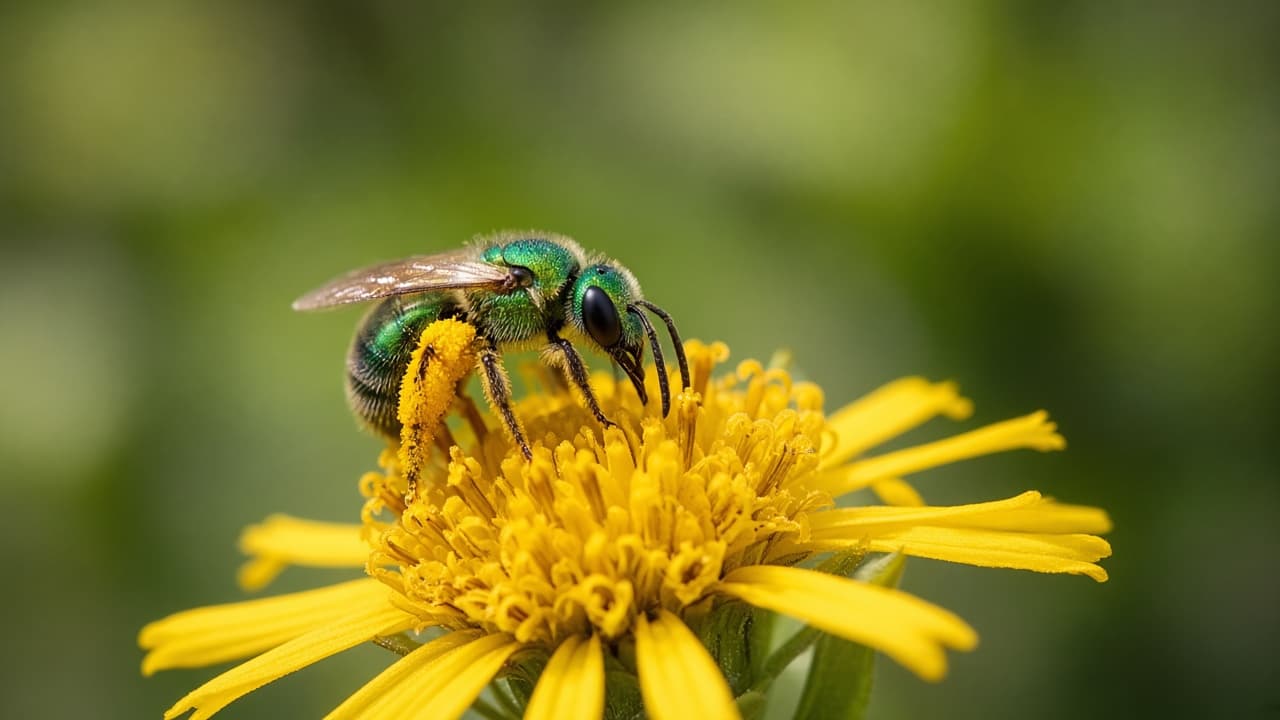
You're working in the yard on a hot Florida afternoon and tiny bees keep landing on your arms, seemingly drawn to your skin. If you've ever wondered about those tiny bees biting at your sweat, you've met sweat bees. They're one of Florida's most common—and most harmless—native bees, even if they are a little annoying in the summer heat.
At The Other Bee Guy, we love talking about native pollinators, and sweat bees are a great example of a bee that's far more helpful than harmful. Here's everything you should know about sweat bees in Florida.
Have a bee problem that's more than just a nuisance? Contact us at (407) 473-8585.
What Are Sweat Bees?
Sweat bees are small native bees in the family Halictidae. They get their name from their attraction to human perspiration—they land on sweaty skin to drink the salt and moisture, which provides them with minerals.
Florida is home to many sweat bee species. Some are a dull brown or black, while the most eye-catching are a brilliant metallic green or blue. They're important pollinators, visiting a wide range of wildflowers, vegetables, and garden plants.
Most sweat bees are solitary or semi-social, nesting in the ground or in rotting wood rather than forming large hives.
How to Identify Sweat Bees
Sweat bees are easy to recognize once you know what to look for:
- Very small, usually 0.2 to 0.5 inch long (much smaller than a honey bee)
- Metallic green, blue, or bronze, or plain dark brown/black depending on species
- Slender to moderately robust body
- Attracted to skin and sweat, unlike most other bees
- Often seen low to the ground near flowers and bare soil
Their small size and metallic sheen are the biggest giveaways. If you see a tiny, shiny green bee on a flower—or on your arm—it's almost certainly a sweat bee.
Why Are Tiny Bees Landing on Me?
The behavior that puzzles people most is the attraction to skin. Sweat bees land on you because:
- They want the salt and moisture in your perspiration
- Summer heat means more sweat and more sweat bees
- They're not interested in you as a threat—just as a source of minerals
They're persistent but not hostile. Most of the time they'll crawl around harmlessly and fly off on their own.
Do Sweat Bees Sting? Are They Dangerous?
Sweat bees can sting, but here's the reassuring reality:
- Only the females have stingers (males can't sting at all)
- They're very reluctant to sting and usually only do so if pressed against your skin—like when you swat or accidentally squash one
- The sting is extremely mild, often rated as one of the least painful of all stinging insects
- They are not aggressive and don't defend their nests in groups the way wasps or Africanized bees do
For the vast majority of people, a sweat bee is a minor annoyance, not a danger. The main exception is anyone with a bee sting allergy, who should treat any sting with care. If you do get stung, our guide on what to do if you get stung by a bee or wasp walks you through it.
Good to know: A sweat bee "bite" is really a sting, and it happens almost exclusively when the bee is trapped against your skin. Gently brushing them away—rather than swatting—prevents nearly all stings.
Why Sweat Bees Are Good for Your Yard
Before you reach for the bug spray, consider what sweat bees do for you:
- They're excellent pollinators. Sweat bees pollinate wildflowers, fruits, and vegetables, supporting your garden and local ecosystem.
- They're native. Unlike some introduced species, sweat bees belong in Florida's landscape.
- They're low-impact. They don't damage structures, don't swarm, and don't form threatening colonies.
Sweat bees are part of a healthy, pollinator-friendly yard. Learn more about supporting pollinators in our guide on how bees make honey and the broader role of bees in the environment.
Where Do Sweat Bees Nest?
Understanding where sweat bees live helps you reduce encounters:
- In the ground: Many species dig small tunnels in bare, well-drained, sunny soil
- In wood: Some nest in rotting logs or dead wood
- Often in lawns with thin grass, garden beds, or sandy patches
Because many sweat bees are ground nesters, you may notice small holes in bare soil. These are harmless solitary nests, not an infestation. Curious about other ground-nesting bees? See our post on what bees nest in the ground.
How to Keep Sweat Bees Away
If sweat bees are bothering you during outdoor activities, a few simple steps help:
On Your Body
- Shower and wear clean, dry clothing before heading outside
- Avoid heavy floral perfumes and scented lotions
- Wipe away sweat during breaks
- Brush bees off gently instead of swatting
- Consider a light, long-sleeved layer during peak activity
In Your Yard
- Maintain a healthy, thick lawn to reduce bare-soil nesting spots
- Mulch bare garden areas to discourage ground nesting
- Keep sweet drinks covered at outdoor meals
Note that because sweat bees are beneficial pollinators, the goal is to reduce contact, not eliminate them. There's rarely any need for extermination.
When Is It Actually a Problem?
Sweat bees almost never require professional intervention. But occasionally a tiny-bee sighting turns out to be something else. Call for help if:
- You find a large colony or hive (that's likely honey bees, not sweat bees)
- Bees are entering a wall or structure in large numbers
- The "tiny bees" are actually aggressive and defending a nest
- You're not confident about what you're seeing
If any of these apply, you may be dealing with honey bees or wasps instead. The Other Bee Guy provides humane bee removal and relocation across the Orlando area and can identify exactly what's on your property.
Frequently Asked Questions
Why do sweat bees land on me?
They're attracted to the salt and moisture in your sweat, which gives them minerals. It's especially common on hot, humid Florida days when you're perspiring.
Do sweat bees bite or sting?
They sting rather than bite, and only the females can. Stings are rare, very mild, and usually only happen when a bee is accidentally pressed against your skin.
Are sweat bees dangerous?
Not for most people. Their sting is among the mildest of any stinging insect, and they're not aggressive. People with bee allergies should still take any sting seriously.
How do I get rid of sweat bees?
You usually don't need to. Reduce contact by staying clean and dry, avoiding scented products, maintaining a thick lawn, and mulching bare soil. Extermination isn't recommended for these beneficial pollinators.
Are those tiny green bees sweat bees?
Most likely, yes. The brilliant metallic green bees you see on flowers in Florida are typically sweat bees, which are important native pollinators.
Appreciate the Little Pollinators
Sweat bees are a harmless, helpful part of Florida's ecosystem—more of a summer nuisance than a real threat. A gentle brush-off and a few habits are usually all it takes to coexist peacefully.
If you suspect your "tiny bees" are actually a honey bee colony or a stinging insect that needs attention, the Other Bee Guy is here to help. Learn to identify local species in our Florida stinging insects guide, or contact us at (407) 473-8585 for expert, humane service.