
Emergency Bee RemovalFast, Safe & Humane
Found a swarm of bees near your door, play area, or someone with allergies? Take a breath—most situations are more manageable than they look. Call now for same-day help across the greater Orlando area.
What to Do Right Now
Follow these steps while you wait for professional help. Staying calm is the single most important thing you can do.
Do This
- Move away calmly
Slowly move away from the bees—no swatting or waving your arms. Sudden movements are what trigger stings.
- Get everyone inside
Bring people and pets indoors, close windows and doors, and use a different entrance if bees are near a door.
- Note the location & behavior
From a safe distance, observe where they are, whether it's a hanging cluster or bees flying in and out of a hole, and how long they've been there.
- Call a professional
Describe what you're seeing so we can respond appropriately and bring the right equipment.
Don't Do This
Don't spray water, pesticides, or wasp killer
Don't throw anything at them or blast them with a hose
Don't light a fire or try to use smoke yourself
Don't seal the entrance if they're in a wall—trapped bees find their way inside your living space
Don't attempt DIY removal, especially if bees are aggressive
Medical Warning
If anyone experiences difficulty breathing, swelling of the face or throat, dizziness, or a rapid pulse after stings, call 911 immediately. These are signs of a severe allergic reaction.
Is It a Swarm or an Established Hive?
Knowing the difference helps set expectations for your removal.
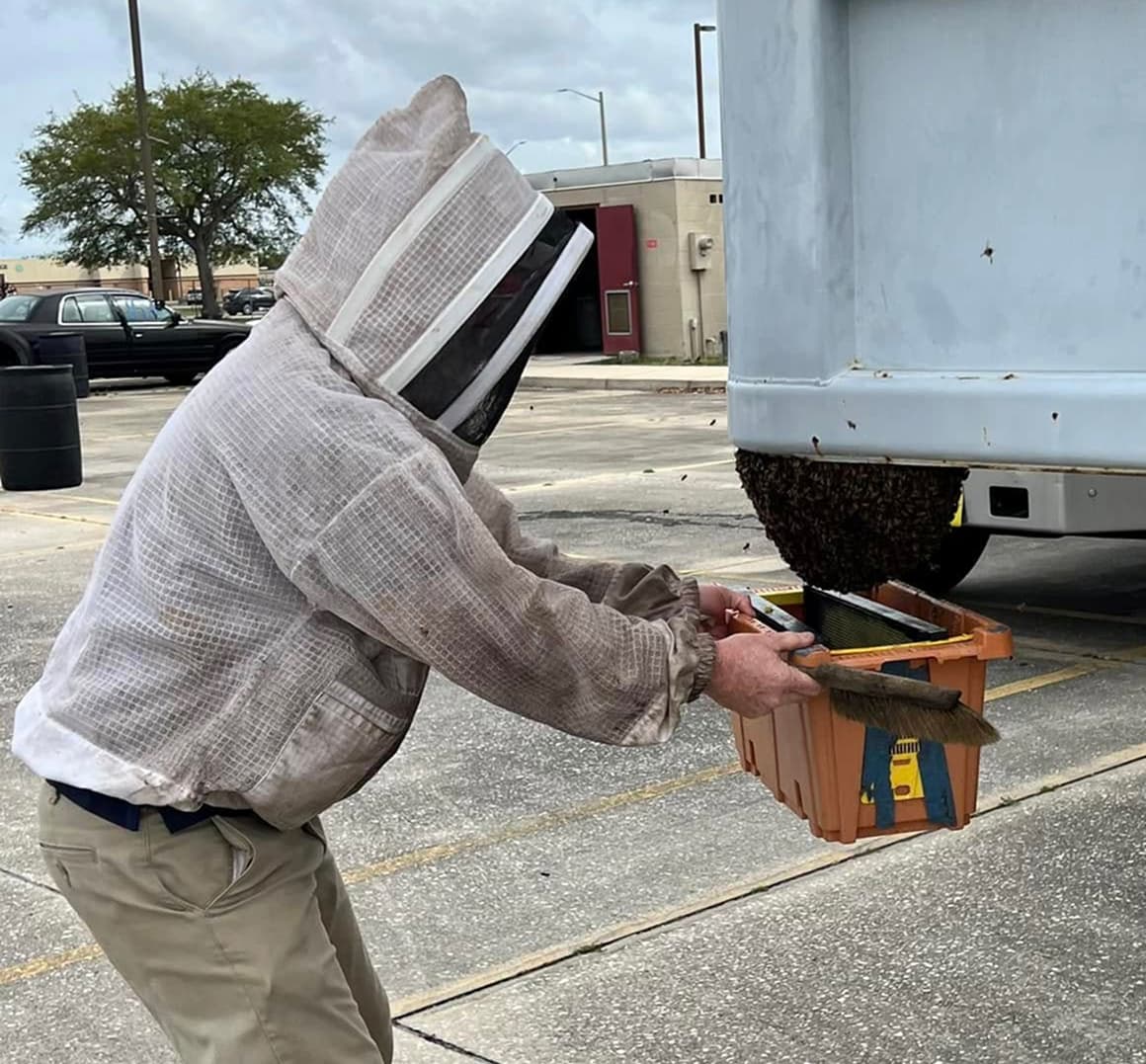
Temporary Swarm (Less Urgent)
A cluster of bees—often on a tree branch, fence, or exterior wall—looking for a new home.
- Usually a basketball-sized clump of bees
- Typically docile with no hive to defend
- May leave on its own within hours to a couple of days
- Easier and often more affordable to remove
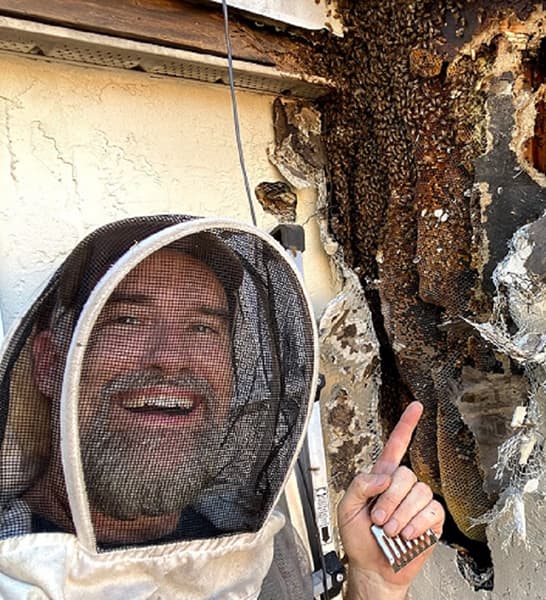
Established Hive (More Involved)
If bees are flying in and out of a hole in a wall, soffit, or tree cavity, they've likely built a hive.
- Comb, honey, and brood are present
- Requires a professional "cut-out" removal
- More complex and time-sensitive
- The longer it stays, the bigger the job
Want to learn more about telling them apart? Read our guide on what a group of beehives is called.
When Is a Bee Situation a True Emergency?
Some situations need immediate attention. Call right away if:
- Bees are near a person with allergies
- The swarm is by a doorway, walkway, or play area
- Someone has already been stung multiple times
- Bees are entering your home's living space
- The colony is aggressive (possible Africanized bees)
- Bees are threatening pets or livestock
What to Expect From Professional Removal
- 1Assessment
We ask questions to understand the situation.
- 2Response
We dispatch to your location as quickly as possible.
- 3Identification
We confirm honey bees, and swarm vs. hive.
- 4Safe removal
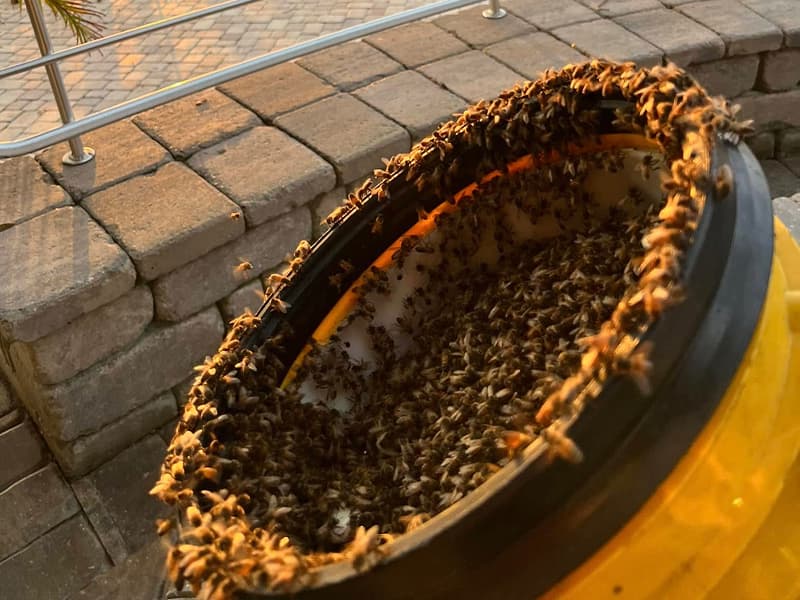
We remove the bees humanely, protecting the queen.
- 5Cleanup
For hives, we remove comb and honey to prevent future problems.
- 6Prevention advice
We help you avoid a repeat.
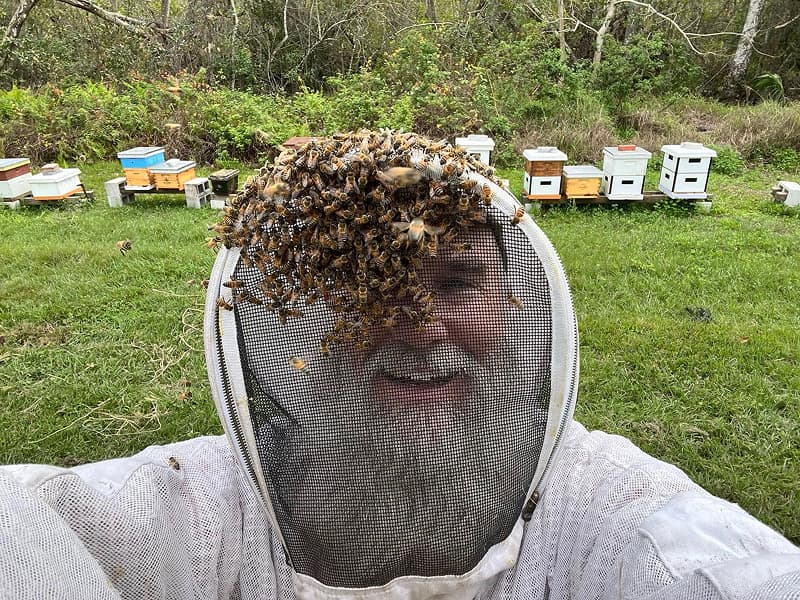
We prioritize humane bee removal and relocation—saving the colony whenever possible.
Get In Touch
Have questions or ready to work together? Reach out today!
Contact Information
What to Include in Your Request
- Location of the bee hive or swarm
- How long the bees have been present
- Preferred time for a consultation or service
Client Experiences
Real Stories from Homeowners, Educators & Farmers
We had a fantastic experience with James and his bee removal service! From the moment I called, he was extremely professional and communicated with me promptly. He came out the very same day to remove a large hive that had been forming on the side of our house. James is incredibly knowledgeable, and he even took the time to teach us about bee science! We highly recommend James—he is trustworthy, professional, and punctual. You can count on him to get the job done right!.

Victoria JeBailey
Recent Client
James is so kind, knowledgeable, and helpful! He came out on the fly to check out our manufacturing facility and warehouse, which was infested with hundreds of bees outside and inside. He helped us brainstorm a bunch of different solutions to fix our problem while educating us on how we created the problem and what we needed to do differently. He takes his time, has a great attitude, and is a pleasure to work with. Thank you so much, James!

Giovanna Montenotte
Recent Client
I can’t recommend The Other Bee Guy Bee Removal enough! Mr James (the owner) was incredibly responsive and professional. I had a bee issue that needed quick attention, and he showed up promptly and ready to go! The coolest part was he recorded the entire removal process and explained everything along the way in the video! It was fascinating to watch and so reassuring to understand what was happening. If you’re dealing with bees, this is the company you want to call. A+ service from start to finish!

Sharon Baker
Recent Client
Emergency Bee Removal FAQs
Common questions when you're dealing with a bee emergency
How quickly can bees be removed?
Swarms can often be collected quickly. Established hives inside structures take longer because comb must be removed. Call as soon as possible—the sooner, the easier.
Will the bees leave on their own?
A temporary swarm may move on within hours or a few days. But if they start building comb in a structure, they've moved in permanently and need removal.
Is emergency bee removal expensive?
Simple swarm removals are typically affordable. Cut-outs (removing established hives from structures) cost more due to labor. Contact us for an assessment.
What if the bees are Africanized?
Africanized bees are more defensive and dangerous. Never attempt DIY removal. Keep everyone away and call professionals immediately.
Should I seal the hole the bees are using?
No! Sealing the entrance traps bees inside, and they often chew their way into your living space. Leave it open and call a professional.
Dealing With a Bee Emergency Right Now?
Don't wait and don't take risks. The Other Bee Guy provides fast, safe, humane emergency bee removal throughout the Orlando area—and gives the bees a second chance whenever possible.