
What Do You Call a Group of Beehives? Apiaries & Swarming
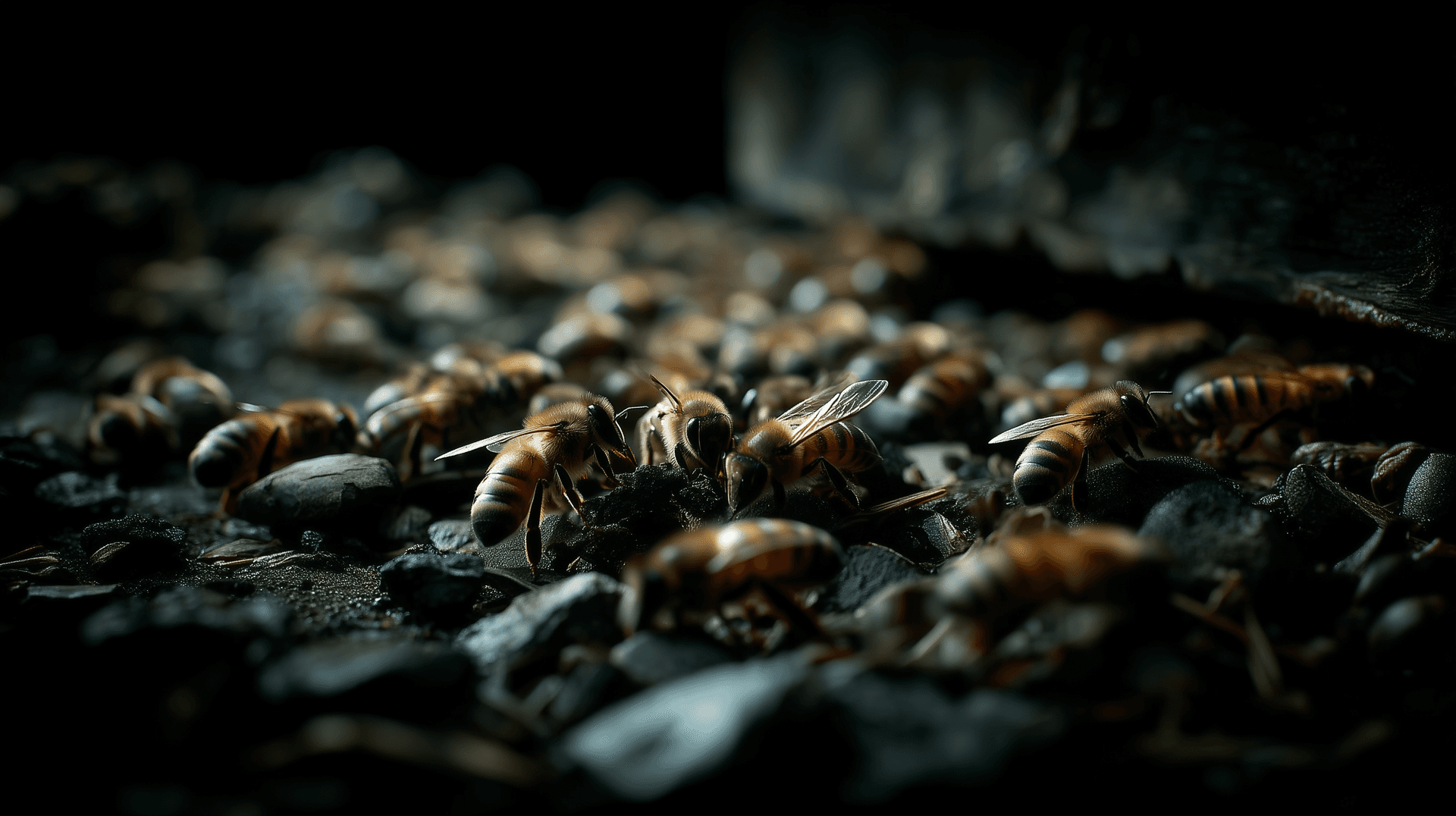
If you've ever driven past a field dotted with white boxes or wondered about the proper terminology for bee-related things, you might have asked: what do you call a group of beehives? And if you've witnessed thousands of bees clustering on a tree branch, you've probably wondered: why do bees swarm?
At The Other Bee Guy, we work with bee colonies every day—relocating them from places they don't belong to locations where they can thrive. Understanding bee terminology and behavior helps us do our job better, and it can help you understand these fascinating insects too.
In this guide, we'll answer all your questions about beehive groups, bee colonies, and the incredible phenomenon of swarming.
What Do You Call a Group of Beehives?
A group of beehives is called an apiary. The term comes from the Latin word "apis," meaning bee. An apiary can contain anywhere from a few hives to hundreds, depending on the beekeeper's operation.
Related Bee Terminology
Understanding bee vocabulary helps clear up common confusion:
| Term | Definition |
|---|---|
| Apiary | A location where beehives are kept; a group of beehives |
| Beehive | The physical structure where bees live (natural or man-made) |
| Bee colony | The community of bees living together as a social unit |
| Swarm | A group of bees that has left a hive to establish a new colony |
| Beekeeper | A person who maintains bee colonies; also called an apiarist |
| Apiculture | The practice of keeping bees; beekeeping |
Colony vs. Hive: What's the Difference?
People often use "hive" and "colony" interchangeably, but they mean different things:
A bee colony refers to the bees themselves—the living community of workers, drones, and queen functioning as a superorganism. A colony of bees can survive the loss of individual members because the colony itself is the organism.
A beehive refers to the physical structure where the colony lives. This could be a man-made wooden box, a hollow tree, or a cavity in your wall. The hive is the house; the colony is the family living inside.
A single apiary might contain 20 hives, but if one colony dies over winter while others survive, you'd still have 20 hives but only 19 colonies.
Understanding a Bee Colony
A bee colony is one of nature's most remarkable social structures. Understanding how colonies work helps explain why bees swarm and how we approach bee removal and relocation.
The Three Types of Bees in a Colony
Every bees colony contains three castes:
Queen Bee:
- Only one per colony (usually)
- The only bee that lays fertilized eggs
- Can live 3-5 years
- Releases pheromones that unify the colony
- Her health determines colony survival
Worker Bees:
- All female
- Make up 95%+ of the colony
- Perform all labor: foraging, nursing, building, guarding
- Live 4-6 weeks in summer, several months in winter
- Cannot reproduce (sterile)
Drone Bees:
- All male
- Sole purpose is mating with virgin queens
- Do no work within the hive
- Expelled from the colony before winter
- Die after mating
Colony Population
A healthy bee colony fluctuates in size throughout the year:
- Spring: 10,000-30,000 bees (building up)
- Summer peak: 40,000-60,000+ bees
- Fall: Population decreases as colony prepares for winter
- Winter: 10,000-20,000 bees cluster for warmth
This population cycle directly relates to swarming behavior—colonies swarm when they're thriving and populations are booming.
Why Do Bees Swarm?
Why do bees swarm? It's one of the most common questions we hear, especially from homeowners who suddenly find thousands of bees clustered in their yard. Swarming is the natural method by which bee colonies reproduce—not individual bees, but entire colonies.
The Natural Purpose of Swarming
Swarming is how a single colony of bees becomes two colonies. When conditions are right, the original queen leaves with roughly half the workers to establish a new home, while a new queen emerges to lead the remaining bees.
Think of it as colony cell division—one healthy colony becoming two healthy colonies. It's essential for bee population growth and genetic diversity.
Why Do Honey Bees Swarm? Common Triggers
Why do honey bees swarm? Several factors trigger this behavior:
Overcrowding:
The most common trigger. When a hive becomes too populous, bees run out of space for:
- Brood (baby bees)
- Honey storage
- Comfortable living conditions
Overcrowding also reduces the spread of queen pheromones, signaling workers that it's time to raise new queens.
Spring buildup:
Colonies naturally expand rapidly in spring as flowers bloom and resources become abundant. This population explosion often leads to swarming between March and June—prime swarm season in Florida.
Strong genetics:
Some bee genetics are more prone to swarming than others. Colonies with "swarmy" genetics may swarm even when space isn't critically limited.
Poor ventilation:
Hives that are too hot or poorly ventilated may trigger swarming as bees seek better conditions.
Aging queen:
When a queen's pheromone production weakens with age, workers may prepare to swarm and replace her.
Why Would Bees Swarm from a Healthy Hive?
Why would bees swarm if everything seems fine? This confuses many people who associate swarming with problems. Actually, swarming typically indicates a thriving colony:
- The colony has grown strong enough to divide
- Resources are plentiful
- The queen is (or was recently) laying well
- The colony's survival instinct drives reproduction
Swarming isn't a sign of distress—it's a sign of success. A weak, struggling colony rarely swarms because it can't afford to lose half its population.
Why Do Honeybees Swarm? The Process Explained
Understanding the swarming process helps explain why do honeybees swarm and what you're witnessing when you see a swarm.
Stage 1: Preparation
Weeks before swarming, the colony begins preparing:
- Workers build special queen cells (swarm cells)
- The queen's egg-laying slows
- Scouts begin searching for new home locations
- Workers engorge on honey for the journey
Stage 2: Beehive Swarm Cells
Beehive swarm cells are one of the clearest indicators that a colony is preparing to swarm. These are special, elongated cells—usually found on the bottom edges of frames—where new queens develop.
Characteristics of swarm cells:
- Peanut-shaped, hanging vertically
- Typically found on frame bottoms or edges
- Multiple cells (3-20+) produced simultaneously
- Larger than regular cells
- Capped when larva is ready to pupate
When beekeepers spot swarm cells, they know the colony intends to swarm within 1-2 weeks unless intervention occurs. For wild colonies in structures, swarm cell production is a normal part of the reproductive cycle.
Stage 3: The Swarm Emerges
On a warm, calm day (usually late morning), swarming begins:
- The old queen and roughly half the workers exit the hive
- They form a temporary cluster nearby (tree branch, fence, building)
- Scout bees search for permanent home locations
- The swarm may rest for hours to several days
- Once scouts agree on a location, the swarm departs
This temporary cluster is what most people see—a basketball-sized (or larger) mass of bees hanging from a structure. Despite looking terrifying, swarms are typically docile because the bees have no home or honey to defend.
Stage 4: New Home Establishment
The swarm eventually moves to its permanent location:
- A hollow tree
- A wall cavity in a building
- An empty beehive
- A shed, soffit, or other protected space
This is when swarms become our concern at The Other Bee Guy. A swarm in a tree is temporary and often moves on. A swarm that enters your walls becomes an established colony requiring professional bee removal.
What to Do When Honey Bees Swarm
If you encounter a bee swarm, knowing what to do when honey bees swarm can prevent problems and potentially save the colony.
If You See a Swarm Cluster (Temporary)
When bees are clustered on a tree, bush, fence, or exterior surface:
Do:
- Stay calm—swarms are usually docile
- Keep children and pets away
- Observe from a safe distance
- Contact a local beekeeper or bee removal service
- Give them 24-72 hours if they're not in a problematic location
Don't:
- Spray them with water or chemicals
- Try to knock them down
- Panic or make sudden movements near them
- Assume they'll stay forever (they usually move on)
Many beekeepers collect swarms for free because they're essentially free bees—healthy colonies looking for homes. If you have a swarm in a non-problematic location, a quick call to a local beekeeping association often results in free removal.
If Bees Enter a Structure
When bees move into walls, attics, sheds, or other structures, the situation changes:
Immediate actions:
- Note exactly where bees are entering
- Keep the area clear of people and pets
- Don't seal the entrance (traps bees inside, causing bigger problems)
- Contact professional bee removal services
Why professional help matters:
Once bees establish inside a structure, they begin building comb, storing honey, and raising brood. DIY removal becomes:
- Dangerous (defensive bees with resources to protect)
- Incomplete (comb and honey remain, attracting pests)
- Potentially damaging (improper removal damages structures)
Our bee hive relocation service addresses all aspects: safely removing bees, extracting honeycomb, cleaning the space, and relocating the colony to an appropriate new home.
Timing Matters
The sooner you address bees in structures, the easier removal becomes:
- Day 1-7: Small comb, easy removal
- Week 2-4: Moderate comb buildup
- Month 2+: Extensive comb, thousands of bees, complex removal
- 6+ months: Major comb (potentially 40-100+ pounds), structural concerns
If you suspect bees have entered your home, don't wait. Contact us for an assessment.
Preventing Unwanted Swarms
While you can't stop bees from swarming in nature, you can make your property less attractive to scout bees:
Seal Entry Points
Scout bees look for protected cavities. Seal potential entry points:
- Gaps around utility penetrations
- Soffit and fascia openings
- Cracks in exterior walls
- Chimney gaps (use proper caps)
- Tree cavities near structures
Remove Attractants
Previous bee activity attracts future swarms:
- Old honeycomb should be completely removed
- Beeswax residue attracts scouts
- Pheromone traces persist for years
- Professional removal includes proper cleanup
This is why thorough removal matters—incomplete cleanup invites future problems.
Monitor During Swarm Season
In Florida, peak swarm season runs roughly March through June. During this time:
- Watch for increased bee activity around your home
- Note any clustering behavior
- Address issues quickly before colonies establish
The Importance of Bee Swarms
While swarms can be inconvenient, they serve essential ecological purposes:
Colony Reproduction
Swarming is how bee populations grow. Without swarming:
- Bee populations couldn't expand
- Genetic diversity would decrease
- Colony health would suffer
- Eventually, bee numbers would decline
Genetic Diversity
When swarms establish in new locations, they potentially mate with different drone populations, increasing genetic diversity. This diversity helps bees adapt to:
- Local conditions
- Disease pressures
- Environmental changes
Natural Selection
Swarms that successfully establish demonstrate fitness. Natural selection favors colonies that:
- Time swarming appropriately
- Choose good nest sites
- Have strong survival genetics
Ecosystem Support
More colonies mean more pollinators. Each successful swarm becomes a new pollination force, benefiting:
- Local agriculture
- Gardens and landscapes
- Native plant reproduction
- Overall ecosystem health
When a Colony of Bees Needs Relocation
At The Other Bee Guy, we specialize in giving bee colonies second chances. Here's when relocation makes sense:
Ideal Relocation Situations
- Bees in walls, attics, or living spaces
- Colonies in high-traffic areas
- Hives posing risk to allergic individuals
- Established colonies in structures
Our Relocation Process
When we relocate a bee colony:
- Assessment: We evaluate colony size, location, and accessibility
- Preparation: Proper equipment and safety measures
- Queen location: Finding and protecting the queen is crucial
- Colony transfer: Carefully moving bees to transport equipment
- Comb removal: Extracting all honeycomb from the structure
- Cleanup: Removing attractants that could draw future swarms
- Transport: Moving the colony to its new home
- Establishment: Ensuring the colony settles successfully
Learn more about our process or see what customers say on our reviews page.
What Happens to Relocated Colonies
The colonies we relocate go on to:
- Produce delicious local honey
- Pollinate Florida's crops and gardens
- Support local beekeeping operations
- Contribute to healthy bee populations
Frequently Asked Questions
What is a group of beehives called?
A group of beehives is called an apiary. The term comes from the Latin word "apis" (bee). An apiary can range from a few hives in a backyard to hundreds of hives in commercial operations.
Why do bees swarm in spring?
Bees swarm in spring because colonies are rapidly expanding after winter. Abundant spring flowers provide resources for population growth, and overcrowding triggers the swarming instinct. In Florida, swarm season typically runs March through June.
Are swarming bees dangerous?
Swarming bees are usually quite docile because they have no home or honey to defend. They're focused on finding a new nest site, not attacking. However, keeping distance is wise, and you should never disturb a swarm.
How long will a bee swarm stay?
Temporary swarm clusters typically stay for a few hours to a few days while scouts search for permanent homes. Once scouts agree on a location, the swarm departs—sometimes within hours, sometimes after 2-3 days.
Can I remove a bee swarm myself?
Temporary swarms on accessible branches can sometimes be collected by experienced individuals. However, established colonies in structures require professional removal. The risks (stings, incomplete removal, structural damage) make professional service worthwhile.
Why would bees swarm in fall?
Fall swarming is less common but can occur. Late-season swarms often struggle to survive winter because they haven't had time to build sufficient honey stores. These "desperation swarms" may result from colony stress or queen problems.
Understanding Bees Better
Now you know what do you call a group of beehives (an apiary), why do bees swarm (colony reproduction), and what to do when honey bees swarm (stay calm, contact professionals if needed). This knowledge helps you coexist with these essential pollinators while knowing when to seek help.
At The Other Bee Guy, we're passionate about bees—every colony of bees we relocate represents thousands of pollinators that will continue their vital work in a better location. Whether you're dealing with a swarm on your property or an established colony in your walls, we're here to help.
Explore our bee removal services, learn about bee hive relocation, or contact us with questions. And if you simply want to support healthy bee populations, check out our local honey—every jar comes from colonies we've given a second chance.
Bees are remarkable creatures. Understanding them makes coexistence easier for everyone.