
Will Digger Wasps Drink Water with Boric Acid?
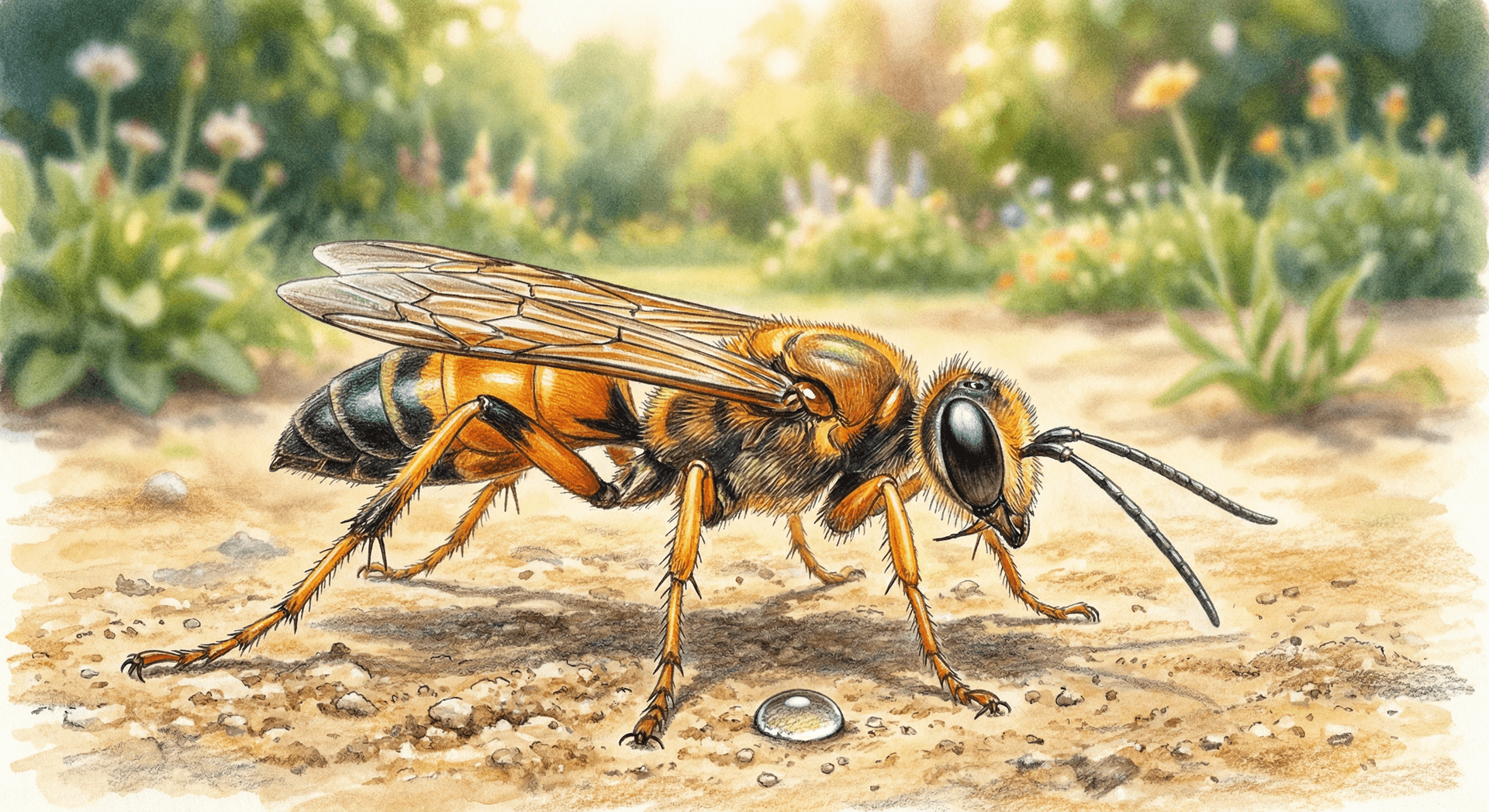
If you've noticed large wasps hovering over your lawn or digging holes in the ground, you likely have digger wasps. Many homeowners, looking for a quick DIY solution, turn to common pesticides. A frequent question we hear is: will digger wasps drink water with boric acid?
Boric acid is a popular remedy for ants and cockroaches, but when it comes to killing digger wasps with boric acid, the results are often disappointing. In this article, we'll explain why this method rarely works and what you should know about these misunderstood insects.
What Are Digger Wasps?
Digger wasps (including Cicada Killers and Great Golden Digger Wasps) are solitary wasps. Unlike yellow jackets or hornets that live in large, aggressive colonies, digger wasps live alone. Each female digs her own burrow to lay eggs.
They are generally beneficial insects that help control pest populations like cicadas and crickets. However, their size and tunneling behavior can be alarming to homeowners.
Will Digger Wasps Drink Water with Boric Acid?
The short answer is: probably not effectively.
To understand why, you have to look at their biology. Will digger wasps drink water with boric acid placed in a bait station? Unlikely.
- Dietary Habits: Adult digger wasps feed primarily on flower nectar. They are not scavengers like ants or house flies that are easily attracted to sugar water or protein baits mixed with poison.
- Solitary Nature: Even if one wasp drank the mixture, she wouldn't carry it back to feed a colony (because there isn't one). She captures live insects, paralyzes them, and drags them into her burrow for her larvae to eat.
- Hydration: While wasps do drink water, they typically get moisture from dew, nectar, or natural sources. They are not easily lured to a specific water source laced with chemicals.
The Problem with Getting Rid of Digger Wasps with Boric Acid
Attempting getting rid of digger wasps with boric acid is usually a waste of time and effort.
- Ineffective Delivery: Dusting boric acid powder around the burrow entrance is also unreliable. While the wasp might walk through it, their bodies are elevated on long legs, and they may not ingest enough of the powder during grooming to be fatal.
- Environmental Risk: Boric acid can be toxic to plants and other beneficial insects. Pouring chemical solutions into the soil can damage your lawn more than the wasps do.
- Safety: While less toxic than some pesticides, boric acid can still be harmful to pets and children if ingested.
Better Alternatives to Killing Digger Wasps with Boric Acid
If killing digger wasps with boric acid isn't the answer, what is?
1. Tolerance (The Best Option)
Digger wasps are docile. Males may buzz around you aggressively, but they cannot sting. Females can sting but rarely do unless handled or stepped on. They are only active for a few weeks in the summer. If they aren't in a high-traffic area, leaving them alone is the best policy. They provide free pest control!
2. Lawn Maintenance
Digger wasps prefer bare, sandy soil. You can discourage them by:
- Keeping your lawn thick and healthy.
- Watering regularly (they dislike wet soil for digging).
- Mulching bare patches in garden beds.
3. Professional Removal
If the infestation is severe or in a dangerous location (like a play area), contact a professional. At The Other Bee Guy, we specialize in safe removal and relocation of stinging insects. We understand the behavior of bees and wasps and can handle the situation without unnecessary chemicals.
Identifying Digger Wasp Burrows
Before you worry about getting rid of digger wasps with boric acid, make sure you've identified the right insect. Digger wasp burrows have distinct characteristics:
- The Mound: Look for a U-shaped mound of loose dirt around the entrance.
- The Hole: The entrance is typically about the size of a dime or nickel (roughly 1/2 inch wide).
- Location: They prefer dry, sandy soil in full sun. You'll often find them in thinning lawns, flower beds, or along the edges of patios.
- Activity: You will see a single large wasp entering and exiting. If you see multiple wasps using the same hole, you might be dealing with a yellow jacket nest, which is a much more serious safety concern.
When Is Digger Wasp Season?
Understanding their lifecycle can help you decide if you really need to focus on killing digger wasps with boric acid.
- Emergence: Adults typically emerge in mid-to-late summer (July and August).
- Activity Peak: They are most active for only about 4 to 6 weeks. During this time, they are busy digging tunnels and hunting prey.
- Disappearance: By early autumn, the adults die off naturally. The larvae remain underground through the winter and emerge next summer.
Since their active period is so short, simply waiting them out is often the easiest and safest solution.
Digger Wasps and Boric Acid: The Bottom Line
So, will digger wasps drink water with boric acid? No, it's not an effective strategy. These solitary hunters aren't interested in liquid baits, and getting rid of digger wasps with boric acid is rarely successful.
Instead of reaching for the chemicals, consider coexisting with these fascinating predators or improving your lawn's health to deter them naturally.
If you need help identifying or managing stinging insects on your property, contact us today.