
Types of Honey: Complete Guide to Different Varieties
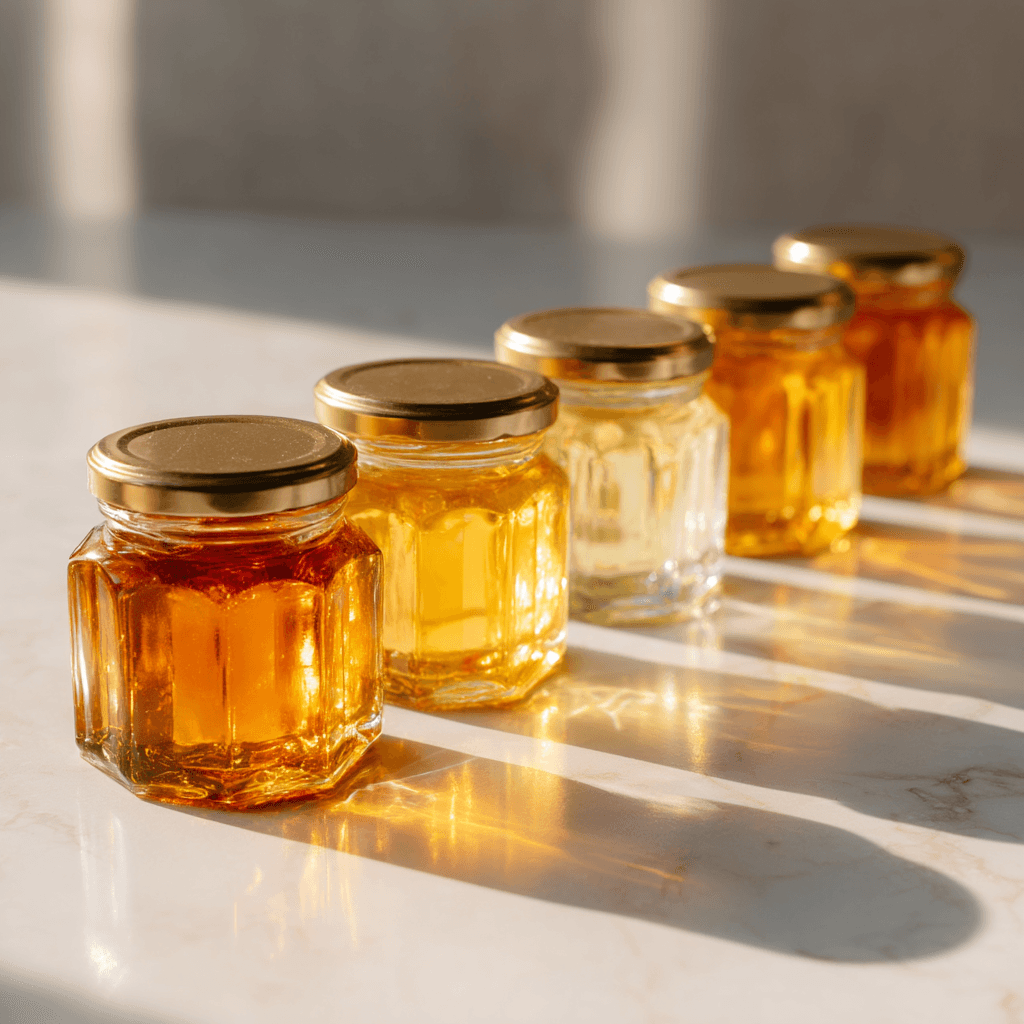
Walk into any grocery store or farmers market and you'll find an impressive variety of honey lining the shelves. From pale, delicate acacia to rich, dark buckwheat, the different types of honey available can be overwhelming. But what makes each variety unique, and how do you choose the right one for your needs?
At The Other Bee Guy, honey is more than just a byproduct of our work—it's a passion. Many of the bee colonies we relocate go on to produce beautiful, raw honey that we're proud to offer through our local honey page. Over the years, we've developed a deep appreciation for the incredible diversity of honey types and how factors like geography, flowers, and processing methods create such distinct flavors and properties.
In this comprehensive guide, we'll explore the different kinds of honey, their unique characteristics, and how to choose the perfect variety for cooking, health, or everyday enjoyment.
What Determines Different Types of Honey?
Before diving into specific varieties of honey, it's helpful to understand what creates the differences between them.
Floral Source
The primary factor that distinguishes different honey types is the floral source—the flowers bees visit to collect nectar. Honey bees are remarkably efficient foragers, and when a particular flower is abundant, the resulting honey takes on that flower's distinct characteristics.
- Monofloral honey: Made primarily from one flower type (like orange blossom or clover)
- Polyfloral honey: Made from multiple flower sources (like wildflower honey)
The floral source affects:
- Color (from water-white to nearly black)
- Flavor (mild to bold, sweet to bitter)
- Aroma (floral, fruity, earthy, or spicy)
- Crystallization rate
- Nutritional properties
Geographic Origin
Where bees forage significantly impacts honey characteristics. Florida honey tastes different from Vermont honey, even when bees visit similar flowers. Soil composition, climate, and local plant varieties all contribute to regional honey types.
Processing Methods
How honey is harvested and processed creates additional categories:
- Raw honey: Minimally processed, retains natural enzymes and pollen
- Pasteurized honey: Heat-treated to prevent crystallization and kill yeasts
- Filtered honey: Strained to remove particles and extend shelf life
- Creamed honey: Controlled crystallization for spreadable texture
Types of Honey by Floral Source
The most common way to categorize different types of honey is by their floral source. Here are the most popular names of honey you'll encounter:
Wildflower Honey
Wildflower honey is perhaps the most common honey type and one of our favorites at The Other Bee Guy. This polyfloral honey comes from bees foraging on whatever wildflowers are blooming in their area.
Characteristics:
- Color varies from light gold to amber depending on season and location
- Flavor ranges from mild to robust
- Each batch is unique based on available blooms
- Often has complex, layered taste profiles
Best uses: All-purpose sweetener, tea, baking, marinades
Wildflower honey from Florida has a distinctly different profile than wildflower honey from other regions due to our unique subtropical flora. Our local honey captures the essence of Central Florida's diverse wildflowers.
Clover Honey
Clover honey is the most widely available type of honey in North America. It's produced when bees primarily forage on clover blossoms, which are abundant in agricultural areas.
Characteristics:
- Light amber to white color
- Mild, sweet, slightly floral flavor
- Pleasant, clean aftertaste
- Slow to crystallize
Best uses: Everyday sweetener, baking, light sauces, breakfast foods
Orange Blossom Honey
Florida is famous for orange blossom honey, one of the most prized kinds of honey in the country. Produced during citrus bloom season (typically February through April), this honey captures the essence of our orange groves.
Characteristics:
- Light color with slight orange tint
- Distinctly citrusy, floral aroma
- Sweet with subtle fruity notes
- Medium crystallization rate
Best uses: Tea, desserts, fruit dishes, glazes, eating straight from the spoon
Manuka Honey
Manuka honey comes from New Zealand and Australia, where bees forage on the native manuka bush (Leptospermum scoparium). It's one of the most expensive honey types due to its renowned antibacterial properties.
Characteristics:
- Dark amber color
- Rich, earthy, slightly medicinal flavor
- Thick, dense texture
- Rated by UMF (Unique Manuka Factor) or MGO levels
Best uses: Medicinal purposes, wound care, sore throat relief, health tonics
Buckwheat Honey
Buckwheat honey is one of the darkest different kinds of honey available. It's produced when bees forage on buckwheat flowers, primarily in northern states and Canada.
Characteristics:
- Very dark brown to nearly black
- Strong, molasses-like, malty flavor
- High antioxidant content
- Robust aroma
Best uses: Bold recipes, BBQ sauces, gingerbread, health applications
Acacia Honey
Acacia honey (actually from black locust trees in the U.S.) is prized for its exceptionally light color and mild flavor. It's one of the most elegant varieties of honey.
Characteristics:
- Almost water-white to pale yellow
- Very mild, delicate, sweet flavor
- Remains liquid longer than most honeys
- Virtually clear appearance
Best uses: Sweetening without altering flavors, cheese pairings, light tea, cosmetics
Tupelo Honey
Tupelo honey is a Southern specialty, produced along the swamps of Florida and Georgia where white tupelo trees bloom for just a few weeks each spring.
Characteristics:
- Light golden color with greenish tint
- Mild, distinctive, buttery flavor
- High fructose content (rarely crystallizes)
- Premium price due to limited availability
Best uses: Table honey, special occasions, gifts, diabetic-friendly option (lower glycemic)
Eucalyptus Honey
Produced primarily in Australia and California, eucalyptus honey has a distinctive character that sets it apart from other honey types.
Characteristics:
- Medium to dark amber
- Slightly menthol-like, herbal flavor
- Bold, distinctive taste
- Medium crystallization rate
Best uses: Tea, respiratory health, bold cooking applications
Sourwood Honey
Sourwood honey is an Appalachian treasure, produced when bees forage on sourwood trees in the mountains of North Carolina, Tennessee, and Georgia.
Characteristics:
- Light amber with slight gray tinge
- Complex flavor with caramel and spice notes
- Aromatic with anise-like qualities
- Slow to crystallize
Best uses: Gourmet applications, biscuits, premium table honey
Sage Honey
California sage honey is a premium type of honey produced in the coastal mountains where wild sage dominates the landscape.
Characteristics:
- Very light, nearly white color
- Mild, delicate, herbal flavor
- Slow crystallization
- Clean, pleasant finish
Best uses: Light applications, beverages, mild recipes
Different Forms of Honey
Beyond floral varieties, different forms of honey offer unique experiences and uses:
Liquid Honey
The most common form, liquid honey flows freely and is easy to measure and pour. Most commercial honey is sold in liquid form.
Pros: Easy to use, versatile, widely available
Cons: Can crystallize over time, may be heavily processed
Raw Honey
Raw honey is harvested directly from the hive with minimal processing—typically just straining to remove wax and large particles. This is the honey type we favor at The Other Bee Guy.
Characteristics:
- Contains natural pollen, enzymes, and propolis
- May appear cloudy or contain small wax particles
- Crystallizes more readily
- Stronger flavor profile
- Maximum nutritional benefits
Raw honey retains beneficial compounds that pasteurization destroys. It's ideal for those seeking honey's full health benefits.
Creamed Honey (Whipped Honey)
Creamed honey undergoes controlled crystallization to create a smooth, spreadable texture. It's the same honey—just in a different physical state.
Characteristics:
- Thick, butter-like consistency
- Easy to spread without dripping
- Smooth mouthfeel
- Stable at room temperature
Best uses: Toast, bagels, sandwiches, any application where dripping is problematic
Comb Honey
Comb honey is honey sold still in the wax comb bees built to store it. This is the most unprocessed form of honey available.
Characteristics:
- Completely unprocessed
- Edible wax comb included
- Ultimate freshness and authenticity
- Premium product
Best uses: Cheese boards, gourmet presentations, special occasions, experiencing honey as bees intended
Chunk Honey
Chunk honey combines the best of both worlds—liquid honey with a piece of honeycomb included in the jar.
Characteristics:
- Liquid honey with comb piece
- Visual appeal
- Two textures in one product
Filtered vs. Unfiltered Honey
Filtration level significantly affects honey quality:
Filtered honey:
- Clear appearance
- Extended shelf life
- Often removes beneficial pollen
- Most commercial honey is heavily filtered
Unfiltered honey:
- May appear cloudy
- Contains pollen and small particles
- More nutritional benefits
- Faster crystallization
Types of Honey by Color
Honey color directly correlates with flavor intensity. The USDA grades honey by color using the Pfund scale:
Light Honey (0-34mm Pfund)
- Examples: Acacia, sage, clover
- Flavor: Mild, delicate, sweet
- Best for: Delicate applications, light teas, subtle sweetening
Amber Honey (35-85mm Pfund)
- Examples: Wildflower, orange blossom, eucalyptus
- Flavor: Moderate, balanced, versatile
- Best for: General purpose, cooking, baking
Dark Honey (86mm+ Pfund)
- Examples: Buckwheat, chestnut, forest honey
- Flavor: Bold, robust, complex
- Best for: Strong recipes, health applications, distinctive taste
Generally, darker honeys have:
- Higher antioxidant content
- Stronger flavors
- More mineral content
- More intense aromas
Regional Honey Varieties
Geography plays a crucial role in honey characteristics. Here are notable regional kinds of honey:
Florida Honey
Florida's subtropical climate produces unique honeys:
- Orange blossom: Our signature citrus honey
- Palmetto: Mild, light honey from saw palmetto
- Tupelo: Premium honey from our northern swamps
- Brazilian pepper: Controversial but distinctive late-season honey
- Wildflower: Rich, complex Florida flora blend
Pacific Northwest Honey
- Blackberry: Light, fruity summer honey
- Fireweed: Delicate, water-white honey
- Raspberry: Light, subtly fruity
Midwest Honey
- Clover: Classic, widely available
- Basswood: Light, distinctive minty notes
- Goldenrod: Amber, robust fall honey
Imported Varieties
- Manuka (New Zealand): Medicinal properties
- Leatherwood (Tasmania): Unique, spicy
- Sidr (Yemen): Premium, rare, medicinal
- Chestnut (Italy): Dark, bitter, distinctive
How to Choose the Right Honey Type
With so many different varieties of honey available, here's how to select the best one for your needs:
For Everyday Sweetening
Choose mild, versatile honeys:
- Clover
- Wildflower
- Orange blossom
- Acacia
For Cooking and Baking
Consider how honey's flavor will interact with your recipe:
- Mild dishes: Light honeys (clover, acacia)
- Bold dishes: Dark honeys (buckwheat, chestnut)
- BBQ and marinades: Amber honeys with character
For Health Benefits
Opt for raw, unprocessed varieties:
- Raw local honey (for allergy support)
- Manuka (for antibacterial properties)
- Buckwheat (for antioxidants)
- Dark honeys (higher mineral content)
For Special Occasions
Premium and rare honeys make excellent gifts:
- Tupelo
- Sourwood
- Manuka
- Comb honey
For Supporting Local Ecosystems
Choose locally produced honey whenever possible. Local honey:
- Supports area beekeepers
- Helps maintain bee populations
- May offer seasonal allergy benefits
- Reduces transportation impact
- Connects you to your regional flora
Our local honey directly supports bee relocation efforts—every jar comes from colonies we've safely removed and rehomed.
Honey Storage and Crystallization
All natural honey will eventually crystallize—it's a sign of pure, unprocessed honey, not spoilage.
Why Honey Crystallizes
Honey is a supersaturated sugar solution. Over time, glucose separates from the solution and forms crystals. Factors affecting crystallization:
- Glucose-to-fructose ratio: Higher glucose = faster crystallization
- Temperature: Crystallizes fastest around 50-59°F (10-15°C)
- Particles: Pollen and particles act as crystallization seeds
- Honey type: Some varieties (tupelo, acacia) rarely crystallize
Reversing Crystallization
To return crystallized honey to liquid form:
- Place jar in warm (not hot) water
- Heat gently until crystals dissolve
- Avoid microwaving or overheating (damages beneficial compounds)
- Stir occasionally
Proper Storage
- Store at room temperature
- Keep tightly sealed
- Avoid refrigeration (accelerates crystallization)
- Honey never spoils when stored properly
The Connection Between Bees and Honey Quality
At The Other Bee Guy, we understand that quality honey starts with healthy bees. Our approach to bee removal and bee relocation ensures colonies thrive in their new homes, producing the finest honey possible.
When we relocate a hive, we're not just solving a problem for homeowners—we're preserving pollinators that will:
- Continue producing honey for years
- Pollinate local crops and gardens
- Support Florida's ecosystem
- Contribute to the incredible diversity of honey types available
Learn more about our process and how we give bees a second chance while producing delicious local honey.
Frequently Asked Questions About Honey Types
What's the healthiest type of honey?
Raw, unprocessed honey retains the most beneficial compounds. Dark honeys like buckwheat have higher antioxidant levels, while manuka honey has unique antibacterial properties. Local raw honey may help with seasonal allergies.
Why do different honeys taste so different?
The nectar source determines honey's flavor, color, and aroma. Just as wine reflects its grape variety and terroir, honey reflects the flowers bees visited and the environment where they foraged.
Is expensive honey worth it?
Premium honeys like manuka, tupelo, and sourwood command higher prices due to limited availability, unique properties, or labor-intensive harvesting. Whether they're "worth it" depends on your intended use and appreciation for distinctive flavors.
How can I tell if honey is real?
Look for:
- Crystallization (indicates real honey)
- Sourcing information on the label
- Local producers you can verify
- Raw or unfiltered designations
- Reasonable price (ultra-cheap honey is often adulterated)
What's the difference between raw and organic honey?
Raw honey is minimally processed (not heated above natural hive temperatures). Organic honey comes from hives in areas free from pesticides and chemicals. Honey can be raw but not organic, organic but not raw, both, or neither.
Experience the Difference with Local Honey
Understanding the different types of honey enhances your appreciation for this remarkable natural product. From delicate acacia to bold buckwheat, each honey type offers unique flavors, aromas, and benefits.
At The Other Bee Guy, we're passionate about both bees and the honey they produce. Our local honey comes from colonies we've carefully relocated throughout Central Florida, giving bees a second chance while providing you with exceptional, raw wildflower honey.
Whether you're curious about different honey varieties or need professional bee removal services, we're here to help. Visit our contact page to reach out, or check our reviews to see why Florida families trust us with their bee situations.
Every jar of honey tells a story—of flowers visited, seasons passed, and bees that worked tirelessly to create something truly special. We're honored to share that story with you.