
Female Bumblebee: Identification, Diet & Behavior
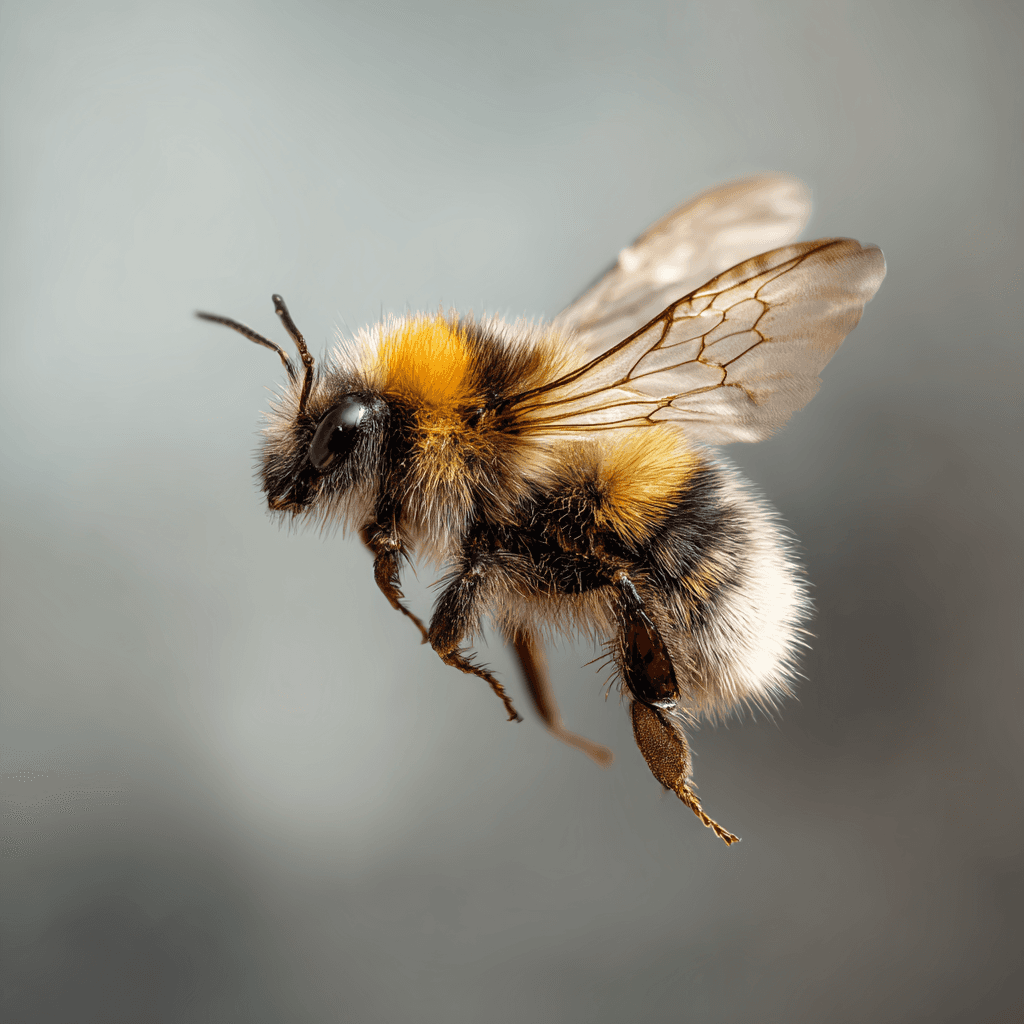
Bumblebees are among the most recognizable and beloved pollinators in Florida and across North America. But did you know that the bumblebees you see buzzing from flower to flower are almost always female bumblebees? These hardworking insects are the backbone of every bumblebee colony, and understanding them can help you appreciate—and coexist with—these essential pollinators.
At The Other Bee Guy, we've spent years working with all types of bees, including bumblebees. Whether we're performing bee removal or educating homeowners about the bees in their backyards, we're constantly amazed by the complexity of bumblebee societies. In this guide, we'll cover everything you need to know about the female bumblebee, including what bumblebees look like, what they eat, and why they matter so much to our ecosystem.
What Is a Female Bumblebee?
A female bumblebee is any bumblebee that hatches from a fertilized egg. In a bumblebee colony, females make up the vast majority of the population and perform virtually all of the work. There are two types of female bumblebees:
Queen Bumblebees
The queen is the founder and mother of the entire colony. She's the largest bumblebee you'll encounter—often twice the size of worker bees. In early spring, you might spot a queen emerging from hibernation, searching for a suitable nesting site.
Queen bumblebees:
- Are the only females that reproduce
- Start new colonies each spring
- Can live for an entire year (unlike workers who live only weeks)
- Hibernate underground through winter
- Are rarely aggressive and focused on survival
Worker Bumblebees
Worker bumblebees are sterile females that handle all colony tasks except reproduction. When you see a bumblebee visiting flowers in your garden, it's almost certainly a female worker.
Worker bumblebees:
- Forage for nectar and pollen
- Build and maintain the nest
- Care for larvae and eggs
- Regulate hive temperature
- Defend the colony when threatened
Workers are smaller than queens but larger than males. They possess stingers (which males lack) but are generally docile unless their nest is directly threatened.
What Do Bumblebees Look Like?
Understanding what bumblebees look like is the first step to identifying them in your yard or garden. Bumblebees have a distinctive appearance that sets them apart from other bees.
Size and Body Shape
Bumblebees are robust, fuzzy insects that appear almost round when in flight. They're significantly larger than honey bees:
- Queens: 20-25mm (about 1 inch) in length
- Workers: 12-18mm (about ½ to ¾ inch) in length
- Males: 14-16mm, similar to workers but with different markings
Their bodies are divided into three segments: head, thorax, and abdomen. The thorax (middle section) is particularly muscular, powering their rapid wing beats.
Coloration and Patterns
The classic bumblebee has black and yellow stripes, but coloration varies significantly between species. Common patterns include:
- Yellow and black bands (most common)
- Orange or rusty-colored patches on the abdomen
- White or cream-colored tail (common in many species)
- All-black species with minimal markings
The female bumblebee typically has a broader abdomen than males, designed to carry pollen and, in queens, to store eggs. You can often see pollen baskets (corbiculae) on the hind legs of females—these are smooth, slightly concave areas surrounded by stiff hairs where they pack collected pollen.
How to Identify Female vs. Male Bumblebees
Distinguishing female bumblebees from males requires looking at a few key features:
| Feature | Female Bumblebee | Male Bumblebee |
|---|---|---|
| Antennae segments | 12 segments | 13 segments (slightly longer) |
| Abdomen tip | Pointed (has stinger) | Rounded (no stinger) |
| Pollen baskets | Present on hind legs | Absent |
| Face markings | Usually darker | Often has yellow facial hair |
| Behavior | Foraging, nest-focused | Loitering near flowers, no work |
Males are only produced later in the season (late summer) and spend their time feeding and searching for queens to mate with. They contribute nothing to the colony and die before winter.
Distinguishing Bumblebees from Other Bees
Bumblebees are often confused with carpenter bees. Here's how to tell them apart:
Bumblebees:
- Fuzzy all over, including the abdomen
- Social, live in colonies
- Nest in the ground or enclosed cavities
- Rounder, "chubbier" appearance
Carpenter Bees:
- Shiny, hairless abdomen
- Solitary nesters
- Bore into wood
- Sleeker appearance
For more on this distinction, check out our article on identifying carpenter bees vs bumble bees.
What Does a Bumblebee Eat?
Understanding what does a bumblebee eat helps explain their constant flower-visiting behavior. Bumblebees have specific dietary needs that drive their foraging patterns.
Nectar: The Energy Source
Nectar is the primary energy source for adult bumblebees. This sugary liquid, produced by flowers, provides the carbohydrates bumblebees need for flight and other activities.
Female bumblebees are especially efficient nectar collectors. They use their long tongues (proboscis) to reach deep into flowers that other pollinators can't access. Some bumblebees even practice "nectar robbing"—biting holes in the base of flowers to access nectar without pollinating.
A single bumblebee can visit hundreds of flowers per day, consuming nectar as she goes while also bringing it back to the colony.
Pollen: The Protein Powerhouse
While nectar provides energy, pollen provides protein, fats, vitamins, and minerals. Pollen is essential for:
- Feeding developing larvae
- Queen nutrition before hibernation
- Overall colony health
Female worker bumblebees collect pollen using specialized hairs on their bodies. They moisten the pollen with nectar and pack it into the corbiculae (pollen baskets) on their hind legs. These bright yellow or orange lumps are easy to spot on foraging bumblebees.
What Flowers Do Bumblebees Prefer?
Bumblebees are generalist foragers, meaning they'll visit many different flower types. However, they show preferences for:
Flower Colors:
- Purple and violet (most attractive)
- Blue
- Yellow
- White
Flower Shapes:
- Tubular flowers (snapdragons, foxglove)
- Open-faced flowers (daisies, sunflowers)
- Complex flowers (clover, lavender)
Favorite Plants:
- Lavender
- Bee balm
- Salvia
- Wildflowers
- Clover
- Blueberry and tomato blossoms
Bumblebees are particularly valuable for pollinating tomatoes, peppers, and other crops that require "buzz pollination"—a technique where the bee vibrates her flight muscles to shake pollen loose from flowers.
Water
Bumblebees also need water, though they typically get most of their moisture from nectar. On hot days, you might see bumblebees drinking from puddles, birdbaths, or dew drops on leaves.
The Life Cycle of a Female Bumblebee
The female bumblebee's life cycle varies depending on whether she's a queen or a worker.
Queen's Annual Cycle
- Spring Emergence: Queens wake from hibernation and immediately search for food and nesting sites
- Nest Establishment: The queen finds a suitable location (often an abandoned rodent burrow) and builds a small wax cell
- First Brood: She lays eggs, incubates them, and raises the first workers entirely alone
- Colony Growth: As workers emerge, they take over foraging and nest duties
- Peak Season: The colony grows to 50-400 bees by midsummer
- Reproduction: New queens and males are produced in late summer
- Mating: Young queens mate and begin feeding heavily to prepare for hibernation
- Hibernation: Mated queens burrow underground; the old queen and all workers die
Worker's Brief Life
Worker bumblebees live only 2-6 weeks. Their lives follow this pattern:
- Emergence: Hatch from pupae as fully-formed adults
- Nest Duties: Spend first days inside the nest caring for larvae
- Foraging: Transition to collecting nectar and pollen
- Death: Die from exhaustion, predation, or natural causes
Despite their short lives, workers are tireless. A single worker may forage for 10+ hours per day, visiting thousands of flowers throughout her lifetime.
Female Bumblebee Behavior
Understanding female bumblebee behavior helps you appreciate these insects and avoid conflicts with them.
Foraging Patterns
Female workers typically forage during daylight hours, though some species are active at dawn and dusk. They prefer temperatures between 50-86°F (10-30°C) and will stay in the nest during rain or extreme cold.
Bumblebees are loyal to productive flower patches and will return to the same areas repeatedly. They also communicate good foraging locations to nestmates through scent trails and behaviors—though not through dance like honey bees.
Nesting Behavior
Bumblebees nest in various locations:
- Abandoned rodent burrows (most common)
- Dense grass tussocks
- Brush piles
- Compost heaps
- Bird houses
- Under sheds or decks
If you find a bumblebee nest on your property, consider leaving it alone if possible. Bumblebee colonies are annual—the nest will be naturally abandoned by fall. For nests in problematic locations, contact us through our contact page for professional advice.
Defensive Behavior
Female bumblebees can sting but are remarkably docile compared to other stinging insects. They typically only sting when:
- The nest is directly disturbed
- They're stepped on or squeezed
- They're trapped in clothing
Unlike honey bees, bumblebees can sting multiple times because their stingers lack barbs. However, they rarely do so—most bumblebee stings happen when people accidentally step on them or disturb nests while gardening.
Why Female Bumblebees Matter
The female bumblebee is essential to ecosystems and agriculture alike. Here's why these insects deserve our protection:
Superior Pollinators
Bumblebees are among the most effective pollinators on Earth. Their advantages include:
- Buzz pollination: The ability to vibrate flowers to release pollen
- Cool-weather foraging: Active at lower temperatures than other bees
- Long tongues: Access to deep flowers other bees can't reach
- Fur coats: Carry more pollen per trip than smooth-bodied bees
Crop Pollination
Many crops depend heavily on bumblebee pollination:
- Tomatoes
- Peppers
- Eggplants
- Blueberries
- Cranberries
- Squash and pumpkins
- Strawberries
Commercial growers often purchase bumblebee colonies specifically for greenhouse pollination because bumblebees adapt well to enclosed environments.
Ecosystem Support
Beyond crops, bumblebees pollinate countless wildflowers that support:
- Wildlife food sources (berries, seeds)
- Habitat plants
- Native plant reproduction
- Overall biodiversity
Threats to Female Bumblebees
Unfortunately, bumblebee populations are declining worldwide. Major threats include:
Habitat Loss
Urban development and agricultural expansion reduce the wildflower meadows and nesting sites bumblebees need. You can help by:
- Planting pollinator gardens
- Leaving areas of your lawn unmowed
- Avoiding "tidying" brush piles where queens hibernate
Pesticides
Neonicotinoid pesticides are particularly harmful to bumblebees, affecting their ability to forage and reproduce. Consider:
- Using integrated pest management
- Avoiding systemic pesticides on flowering plants
- Choosing organic alternatives
Climate Change
Warming temperatures affect bumblebee ranges and activity patterns. Some species are disappearing from southern portions of their range as temperatures become unsuitable.
Disease
Parasites and pathogens, some spread from commercially-raised bumblebees, threaten wild populations.
How to Help Female Bumblebees
Here are practical ways to support bumblebees in your area:
Plant a Pollinator Garden
Choose flowers that bloom throughout the season:
- Spring: Crocus, hyacinth, flowering trees
- Summer: Lavender, coneflower, bee balm
- Fall: Asters, goldenrod, sedum
Native plants are best—they've co-evolved with local bumblebee species.
Provide Nesting Sites
- Leave undisturbed areas in your yard
- Keep brush piles
- Avoid tilling soil where queens may hibernate
- Consider installing bumblebee nest boxes
Avoid Pesticides
If you must use pesticides:
- Apply in the evening when bees aren't foraging
- Choose products with low bee toxicity
- Never spray open flowers
Support Professional Bee Services
When bees become problematic, choose humane removal over extermination. At The Other Bee Guy, we prioritize bee relocation whenever possible, ensuring bees can continue their important work elsewhere.
Bumblebees vs. Pest Concerns
While we love bumblebees, we understand they can sometimes nest in inconvenient locations. Here's when to take action:
When to Leave Bumblebees Alone
- The nest is away from high-traffic areas
- No one in your household is allergic to bee stings
- The nest isn't causing structural issues
- It's late in the season (nest will die off naturally)
When to Call Professionals
- Nest is near doorways, play areas, or walkways
- Someone in your home has bee sting allergies
- Aggressive defensive behavior from the colony
- Nest is inside walls or causing damage
Our team at The Other Bee Guy specializes in safe, humane bee management. We'll assess your situation and recommend the best approach—whether that's leaving the bees alone, relocating them, or other solutions. Learn more about our process or see our customer experiences on our reviews page.
Frequently Asked Questions About Female Bumblebees
Do female bumblebees sting?
Yes, female bumblebees have stingers and can sting. However, they're generally docile and only sting when their nest is threatened or they're accidentally harmed. Unlike honey bees, they can sting multiple times.
How can I tell if a bumblebee is male or female?
Look for pollen baskets on the hind legs—only females have them. Males also have longer antennae (13 segments vs. 12), rounder abdomens without stingers, and often more yellow facial hair.
What should I do if I find a tired bumblebee?
If you find a bumblebee on the ground that seems exhausted, you can help by offering a small amount of sugar water (2:1 water to sugar ratio). Place a few drops near her head and she may drink and recover enough energy to fly.
Are bumblebees endangered?
Several bumblebee species are declining and some are now endangered. The rusty patched bumblebee became the first bee in the continental U.S. to be listed as endangered in 2017. Supporting pollinator-friendly practices helps protect all bumblebee species.
Do bumblebees make honey?
Bumblebees make small amounts of honey, but not enough to harvest. They store nectar in wax "honeypots" within the nest, but these contain only enough to sustain the colony for a few days—unlike honey bees, which store surplus for winter.
Celebrating the Female Bumblebee
The female bumblebee is a remarkable insect that deserves our respect and protection. From the founding queen who starts a colony alone to the tireless workers who pollinate our gardens and crops, female bumblebees are essential to healthy ecosystems.
Now that you know what bumblebees look like and what bumblebees eat, you can better appreciate these fuzzy pollinators when you see them in your garden. And if you ever need help with bumblebees or any other bees on your property, The Other Bee Guy is here to help.
We offer professional bee removal and bee relocation services throughout Florida, always prioritizing humane solutions that protect both you and these vital pollinators. Whether you want to learn more about local bees or need assistance with an unwanted colony, reach out through our contact page.
Together, we can ensure that female bumblebees continue their essential work for generations to come.