
Do Black Bees Bite? What You Need to Know
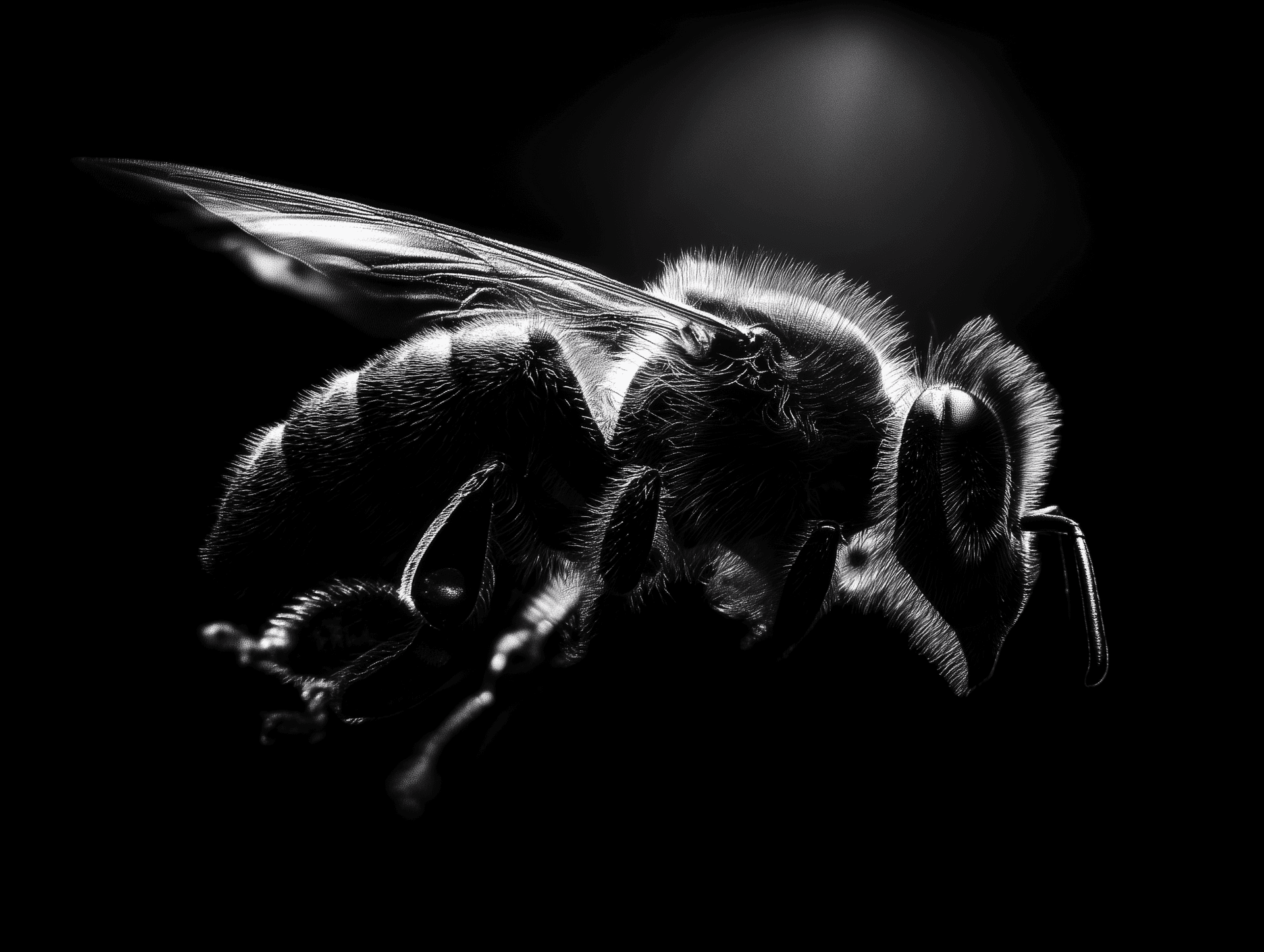
If you've ever seen a large, fuzzy black bee hovering around your porch or drilling into your wooden deck, you've probably wondered: do black bees bite? It's a question we get asked frequently at The Other Bee Guy, and the answer isn't as straightforward as you might think.
As professional bee removal and relocation specialists with years of hands-on experience, we've encountered countless black bee species across Florida. In this comprehensive guide, we'll answer all your questions about black bees—including whether they bite, sting, or pose any real danger to you and your family.
What Are Black Bees?
Before we dive into whether black bees bite, it's important to understand what we mean by "black bees." This term commonly refers to several different species:
Carpenter Bees
Carpenter bees are the most commonly encountered "black bees" in Florida. These large, shiny black bees are often mistaken for bumble bees but have a distinctive smooth, hairless abdomen. Male carpenter bees are the ones you'll usually see hovering aggressively around porches, decks, and eaves—but here's the twist: male carpenter bees cannot sting at all.
Female carpenter bees, which are rarely seen since they spend most of their time inside wood tunnels, can sting but almost never do unless physically handled or trapped.
Black Bumble Bees
Some bumble bee species appear predominantly black, especially the common Eastern bumble bee when viewed from certain angles. These fuzzy, round bees are generally docile and focused on foraging rather than defending territory.
Great Black Wasps
While technically not bees, great black wasps are often confused for black bees due to their size and color. These solitary wasps can sting but are non-aggressive toward humans.
For more on identifying different bee species, check out our guide on carpenter bee identification and behavior.
Do Black Bees Bite or Sting?
Here's the truth: black bees do not bite. Like all bees, they lack the mouthparts necessary to bite humans in any meaningful way. Their mandibles are designed for manipulating wax, pollen, and wood—not for attacking people.
However, some black bees can sting. The distinction is important:
- Biting involves mandibles (jaws) and is not something bees do to humans
- Stinging involves a venomous stinger and is a defensive mechanism
Can Female Black Bees Sting?
Yes, female black bees (particularly carpenter bees and black bumble bees) have stingers and can technically sting. However, they rarely do so unless:
- They're stepped on
- They're trapped against skin or clothing
- Their nest is directly threatened
- They're physically handled
In our years of bee removal experience, we've found that most stings from black bees occur when people accidentally squeeze or step on them—not from deliberate attacks.
Are Male Black Bees Dangerous?
Male carpenter bees are famous for their aggressive-looking hovering behavior. They'll fly directly at your face, buzz loudly, and seem ready to attack. But here's what most people don't know: male carpenter bees have no stinger whatsoever.
Their intimidating behavior is pure bluff. They're simply defending their territory and trying to impress females. You could literally wave your hand through a group of hovering male carpenter bees and walk away without a single sting.
Can Black Bees Kill You?
This is perhaps the most common fear-based question we receive: can black bees kill you? The honest answer requires some nuance.
For Most People: No
For the vast majority of people, black bees pose no lethal threat. A single sting from a carpenter bee or black bumble bee is comparable to a honey bee sting—painful but not dangerous for those without allergies.
The venom from black bees is not more potent than that of common honey bees. The pain, swelling, and redness typically subside within a few hours to a few days.
For Allergic Individuals: Possible
The real danger exists for people with bee sting allergies. Approximately 5-7% of the population will experience a severe allergic reaction (anaphylaxis) to bee stings at some point in their lives. For these individuals, any bee sting—including from black bees—can be life-threatening.
Signs of a severe allergic reaction include:
- Difficulty breathing or swallowing
- Swelling of the face, lips, or throat
- Rapid heartbeat
- Dizziness or fainting
- Hives spreading beyond the sting site
If you experience any of these symptoms after a bee sting, seek emergency medical attention immediately.
Multiple Stings
While a single black bee sting is unlikely to cause serious harm, multiple stings can be dangerous—especially for children, elderly individuals, or those with compromised health. However, unlike Africanized honey bees, black bees are solitary or semi-social and don't attack in swarms.
Are Black Bees Poisonous?
We often hear people ask, "are black bees poisonous?" This question reveals a common misconception about how bee venom works.
Venomous vs. Poisonous
Technically, black bees are venomous, not poisonous. The distinction matters:
- Poisonous means harmful if eaten or touched
- Venomous means harmful if injected via a bite or sting
Black bees inject venom through their stingers. This venom contains compounds like melittin, which causes pain and inflammation. You wouldn't be harmed by touching a black bee (unless it stings you), and eating one wouldn't poison you (though we don't recommend testing this).
Is Black Bee Venom Dangerous?
For most people, black bee venom causes only localized reactions:
- Immediate sharp pain
- Redness and swelling
- Itching that may last several days
- A small welt at the sting site
These symptoms are normal and don't indicate a dangerous reaction. However, as mentioned above, allergic individuals can experience severe systemic reactions that require immediate medical intervention.
Can a Black Bee Kill You If You're Allergic?
To address this directly: yes, a black bee can potentially kill someone with a severe bee sting allergy. This is true of virtually any stinging insect, not just black bees.
If you know you're allergic to bee stings, you should:
- Carry an epinephrine auto-injector (EpiPen) at all times
- Wear a medical alert bracelet indicating your allergy
- Avoid areas with active bee colonies when possible
- Contact professionals for any bee removal needs rather than attempting DIY removal
At The Other Bee Guy, we always recommend that allergic individuals stay far away from any bee activity. Our team handles safe removal and bee relocation so you don't have to put yourself at risk.
Why Do Black Bees Hover Around Structures?
If you've noticed black bees (usually carpenter bees) hovering persistently around your home, they're not planning an attack. Here's what they're actually doing:
Territorial Behavior (Males)
Male carpenter bees establish territories near nesting sites. They hover in the same spots day after day, chasing away other males and waiting for females. This behavior looks aggressive but is entirely harmless since males cannot sting.
Nesting Activity (Females)
Female carpenter bees bore into wood to create nesting galleries. They prefer:
- Unpainted, weathered wood
- Soft woods like pine, cedar, and redwood
- Structural elements like fascia boards, decks, and pergolas
If you're seeing sawdust piles below wooden structures along with perfectly round half-inch holes, you likely have carpenter bee activity. Learn more about how to get rid of carpenter bees or explore carpenter bee prevention strategies.
How to Safely Handle Black Bee Encounters
Based on our extensive field experience, here's how we recommend handling encounters with black bees:
Stay Calm
Black bees—especially the hovering males—are not aggressive in any dangerous way. Panicking, swatting, or running can actually increase your risk of accidental stings if you trap a bee against your body.
Don't Swat
Swatting at bees provokes defensive behavior. Simply walk calmly away from the area, and the bees will typically ignore you.
Watch Where You Step
Most black bee stings occur when people accidentally step on bees in grass or squeeze them unknowingly. Watch where you walk, especially barefoot in gardens.
Avoid Strong Scents
Bees are attracted to floral scents. If you're spending time in areas with bee activity, skip the perfume, scented lotions, and brightly colored clothing.
Call Professionals for Removal
If you have carpenter bees damaging your property or feel unsafe around bee activity, don't attempt DIY removal. Contact us through our contact page for safe, professional assistance.
When Black Bees Become a Problem
While black bees aren't aggressive toward humans, they can cause significant property damage over time—particularly carpenter bees.
Structural Damage
Carpenter bees don't eat wood (they feed on nectar and pollen), but their nesting tunnels can weaken structural elements. Over multiple generations, what starts as a single tunnel can become an extensive network of galleries.
Signs of carpenter bee damage include:
- Perfectly round entrance holes (about ½ inch diameter)
- Sawdust piles below wooden structures
- Yellow-brown staining near entrance holes
- Woodpecker damage (woodpeckers feed on carpenter bee larvae)
When to Seek Professional Help
We recommend professional intervention when:
- Multiple entrance holes are visible
- Damage is occurring to structural elements
- You're allergic to bee stings
- DIY methods haven't worked
Our bee removal services are designed to address these situations safely while respecting the important role bees play in our ecosystem. We also offer guidance through our process page if you want to understand how we approach each situation.
Protecting Your Home from Black Bees
Prevention is always better than removal. Here are proven strategies we recommend:
Paint and Seal Wood
Carpenter bees strongly prefer bare, weathered wood. Painting or sealing wooden structures with polyurethane makes them far less attractive for nesting.
Fill Existing Holes
After ensuring tunnels are vacant, fill existing holes with steel wool followed by wood putty or caulk. This prevents reuse by returning bees.
Use Hardwoods When Possible
Carpenter bees struggle to bore into hardwoods like oak and maple. If you're building new structures in areas with carpenter bee activity, consider using harder wood species.
Install Bee Houses
Interestingly, providing alternative nesting sites can redirect carpenter bees away from your structures. Check out our article on bee houses for carpenter bees for more information.
Black Bees and the Florida Ecosystem
Despite the nuisance they can cause, black bees are valuable pollinators. Carpenter bees are particularly important for:
- Tomatoes, peppers, and eggplants (buzz pollination specialists)
- Native wildflowers
- Garden vegetables and fruits
At The Other Bee Guy, we always prioritize relocation over extermination when possible. Bees of all types—including the black varieties—play crucial roles in maintaining Florida's agricultural productivity and natural ecosystems.
If you're dealing with unwanted bee activity, our bee hive relocation services ensure that these important pollinators can continue their vital work in a location where they won't bother you.
Trust the Experts for Black Bee Issues
At The Other Bee Guy, we've spent years developing safe, effective, and humane approaches to bee management. Whether you're dealing with aggressive-looking carpenter bees, a bumble bee nest in your yard, or any other bee-related concern, we're here to help.
Our team combines hands-on experience with deep knowledge of bee behavior to provide solutions that protect both you and Florida's essential pollinators. See what our customers have to say on our reviews page, or reach out directly through our contact page.
Remember: black bees don't bite, most can't sting, and even those that can rarely do so. Stay calm, respect their space, and call the professionals when you need help.
Black Bees at a Glance
| Question | Answer |
|---|---|
| Do black bees bite? | No—bees lack the mouthparts to bite humans |
| Do black bees sting? | Females can sting but rarely do; males cannot sting at all |
| Can black bees kill you? | Only if you have a severe allergy to bee venom |
| Are black bees poisonous? | They're venomous (inject venom via sting), not poisonous |
| Are black bees aggressive? | Males appear aggressive but are harmless; females are docile |
If you have questions about black bees or any stinging insects around your Florida property, don't hesitate to reach out. We're always happy to provide guidance and professional service when needed.