
Best Bee Species for Florida Beginners
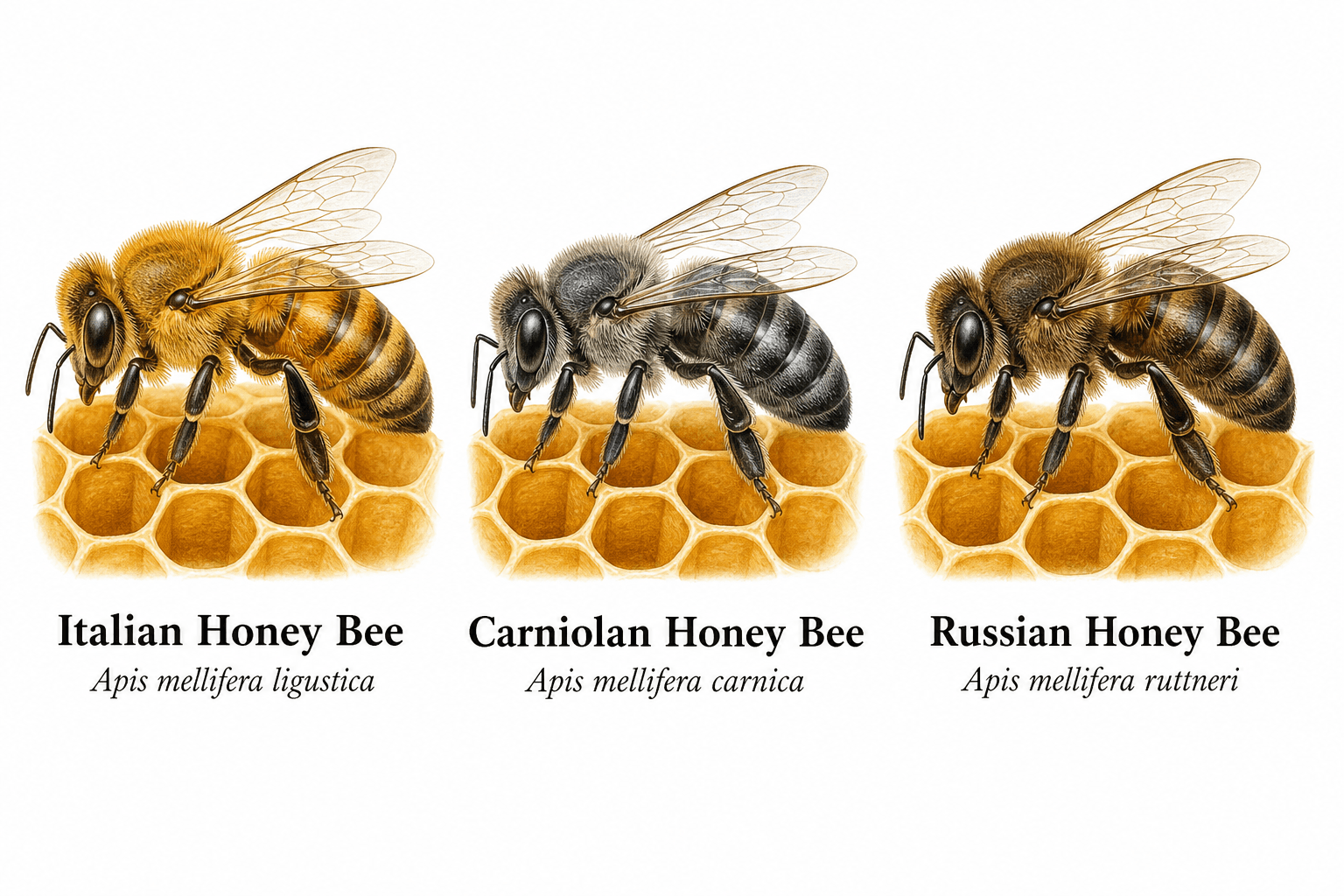
When you're new to beekeeping, choosing the right bee species feels overwhelming. There are dozens of subspecies, hybrids, and breeding lines—each with different temperaments, productivity, and pest resistance. So what really are the best bees for Florida beginners?
At The Other Bee Guy, we've worked with countless beekeepers across Central Florida, and we have strong opinions on what works. The short answer: Italian bees Florida beekeepers love them, and for good reason. The longer answer? It depends on your goals, your tolerance for management, and your local conditions.
Let's break down the best bee species for Florida beginners so you can start your first hive with confidence.
Why Bee Species Matters
Not all honey bees are created equal. While they're all the same species (Apis mellifera), different subspecies and breeding lines have wildly different characteristics:
- Temperament: Gentle or defensive?
- Productivity: Big honey crops or modest?
- Build-up speed: Fast spring growth or slow and steady?
- Pest resistance: Mite and beetle tolerance?
- Climate suitability: Built for heat or cold?
For Florida's hot, humid climate—with year-round forage and high pest pressure—some species absolutely thrive while others struggle.
Top Pick: Italian Honey Bees
If you ask 10 Florida beekeepers what the best bees for Florida beginners are, at least 8 will say Italian bees (Apis mellifera ligustica).
Why Italians Win
Gentle temperament: Italian bees are famously calm. You can often inspect them without a veil (though we don't recommend it!). For nervous beginners, this is huge.
Excellent honey production: They forage aggressively and store large honey crops—perfect for Florida's long nectar season.
Beautiful queens: Bright golden bees with darker bands make queens easier to spot.
Wide availability: Every Florida bee supplier carries Italian queens and nucs.
Strong colonies: They build large populations quickly, taking advantage of Florida's spring buildup.
The Downsides
- Heavy consumers: Big colonies eat lots of honey
- Robbing tendency: Can steal honey from weaker hives
- Less hygienic: Slightly less mite-resistant than some breeds
For most new Florida beekeepers, Italian bees are the clear winner.
Best for: Beginners, honey production, gentle hive experience
Florida-Bred Queens
Even better than generic Italians? Italians bred from Florida stock. Italian bees Florida breeders have selected lines that:
- Tolerate heat and humidity better
- Resist small hive beetles
- Adapt to local nectar flows
- Have better Varroa resistance
Where to find them: Local apiaries (like ours), Florida Department of Agriculture queen producers, and state beekeeping associations.
Buying local always beats shipping bees from out of state.
Second Choice: Saskatraz Hybrid
Saskatraz bees are a relatively new breeding line designed for mite resistance and productivity. They've gained popularity in Florida among intermediate beekeepers.
Pros:
- Strong Varroa resistance
- Decent honey production
- Good winter survival
- Hygienic behavior
Cons:
- Can be a bit more defensive than Italians
- Less widely available
- Higher cost
Best for: Beginners who want lower-treatment hives
Third Choice: Carniolan Bees
Carniolan bees (Apis mellifera carnica) are the second-most-popular bees in the U.S. While they're better suited to colder climates, some Florida beekeepers love them.
Pros:
- Very gentle
- Quick spring buildup
- Conservative honey consumption
- Good for swarm prevention (if managed)
Cons:
- Prone to swarming
- Less suited to Florida's heat
- Smaller summer populations
Best for: Beekeepers focused on pollination over honey
Bees to Avoid as a Florida Beginner
Some bees just aren't a good fit for new beekeepers in our climate.
Russian Bees
Bred for Varroa resistance, but their defensive behavior makes them tough for beginners. They're also slower to build up in Florida's mild winters.
Buckfast Bees
Excellent bees, but harder to source in Florida. Save them for your second or third year.
Africanized Bees (AHB)
Absolutely avoid these. They look identical to European honey bees but are highly defensive. In Florida, this is a real concern—Africanized bees have established populations here. Always source queens from reputable breeders to avoid AHB genetics.
Feral / Cut-Out Colonies
Wild bees rescued from tree cut-outs or wall removals can be amazing—or they can be Africanized. Unless you're experienced (or working with someone like us at The Other Bee Guy), don't make this your first colony.
Bee Species Comparison Table
| Species | Temperament | Honey | Pest Resistance | Florida Fit | Beginner-Friendly |
|---|---|---|---|---|---|
| Italian | Excellent | Excellent | Moderate | Excellent | ★★★★★ |
| Florida-Bred Italian | Excellent | Excellent | Good | Perfect | ★★★★★ |
| Saskatraz | Good | Good | Excellent | Good | ★★★★ |
| Carniolan | Excellent | Good | Moderate | Moderate | ★★★ |
| Russian | Defensive | Good | Excellent | Poor | ★★ |
| Africanized | Dangerous | Variable | Excellent | N/A | ★ |
Should You Buy a Queen, Package, or Nuc?
Once you've chosen your species, you need to pick a delivery format.
Mated Queens
A single queen, usually shipped or hand-delivered. You'll need an existing hive or package to introduce her to.
Cost: $35–$60
Package Bees
A wooden or plastic box with 3 pounds of loose bees and a separate queen cage.
Cost: $150–$200 Best for: Budget-conscious beginners with backup support
Nucleus Colonies (Nucs)
A small functioning colony with 4–5 frames, brood, and an accepted queen.
Cost: $180–$275 Best for: Most beginners—faster start, easier installation
We sell quality Florida nucs—check our bee nucs page for current availability and pricing.
Where to Buy Bees in Florida
Always source from reputable Florida breeders. Some great options:
- Local beekeeping associations (often connect you with members selling nucs)
- State-registered queen producers (FDACS maintains a list)
- Established commercial apiaries
- The Other Bee Guy (yes, we sell quality nucs!)
Avoid:
- Craigslist sellers without credentials
- Out-of-state shipped packages (when avoidable)
- Anyone who can't show their FDACS registration
Questions to Ask Before Buying Bees
When sourcing best bees for Florida, always ask:
- Are these queens FDACS-registered?
- Are they bred from Florida stock?
- Have they been Varroa-treated this season?
- Is the queen marked? (Helpful for beginners)
- What's your guarantee if the queen fails?
- Do you offer pickup or delivery?
- Are there small hive beetles or other pest issues in the colony?
A reputable seller will answer all these questions confidently.
Final Recommendation
For 95% of new Florida beekeepers, our recommendation is simple:
Buy a Florida-bred Italian nucleus colony from a local supplier.
This combination gives you:
- Gentle bees that won't intimidate you
- Local genetics adapted to Florida conditions
- Strong production for honey harvests
- An established colony with a proven queen
- Support from a local breeder if issues arise
You can experiment with other species in year two or three once you have experience.
Ready to Get Started?
If you're ready to start beekeeping with the best bees for Florida, we'd love to help. The Other Bee Guy sells quality Florida-bred nucleus colonies perfect for new beekeepers. We also provide ongoing support, answer questions, and connect you with local resources.
Visit our bee nucs page for current availability or contact us to discuss what's right for your situation.
You're going to love being a beekeeper. Choose the right bees, and you're set up for success from day one!