Beekeeping for Beginners in Florida: The Complete Starter Guide
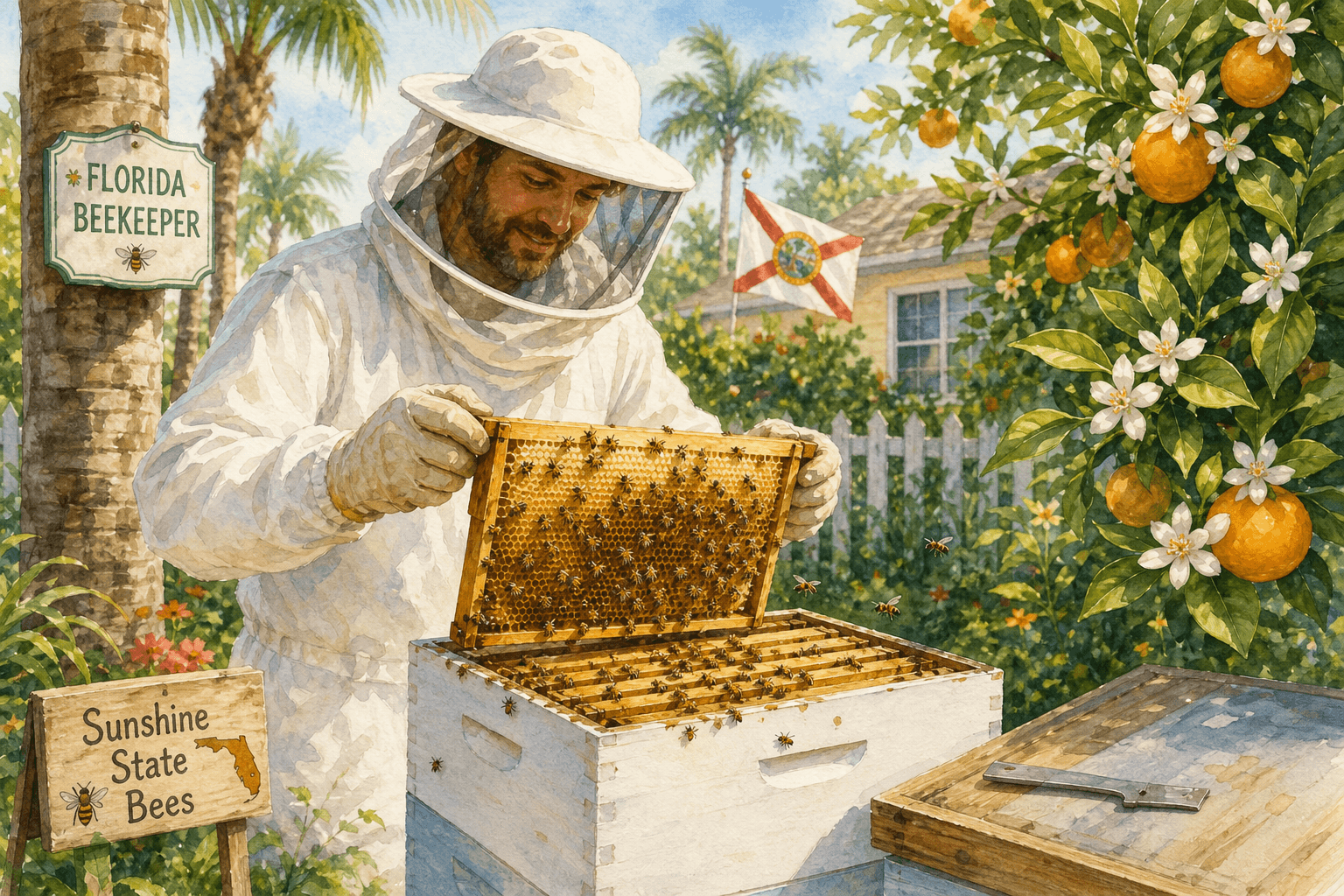
Thinking about diving into the rewarding world of beekeeping for beginners? You're in the right place—and Florida is one of the best states to start. With its long growing season, abundant nectar sources, and active beekeeping community, the Sunshine State offers unique advantages for new beekeepers.
At The Other Bee Guy, we've worked with countless first-time beekeepers across Central Florida. We've seen what works, what doesn't, and what makes the difference between a thriving colony and a frustrating learning experience.
This complete guide will walk you through everything you need to know to start beekeeping in Florida, from choosing your first hive to understanding our unique climate.
Why Start Beekeeping in Florida?
Florida isn't just a great vacation spot—it's a beekeeper's paradise. Here's why start beekeeping Florida searches are so popular:
- Year-round forage: Unlike northern states, Florida has nectar-producing plants nearly all year. Bees can forage from citrus, palmetto, gallberry, mangrove, and Brazilian pepper.
- No harsh winters: You don't need to worry about cold-weather colony losses the way beekeepers do up north.
- Strong honey market: Florida produces some of the most sought-after honey varieties in the country, including orange blossom and tupelo.
- Established community: Local beekeeping associations and mentors make learning easier.
Step 1: Educate Yourself First
Before buying a single piece of equipment, beekeeping beginners should focus on learning. Books, YouTube channels, and local mentors are invaluable.
Recommended Starting Resources
- Books: Beekeeping for Dummies and The Backyard Beekeeper are excellent primers.
- Local Associations: Join your county beekeepers association. Most offer beginner classes.
- State Resources: The University of Florida's IFAS Extension offers free beekeeping courses and publications.
- Mentorship: Find an experienced local beekeeper. One hands-on visit is worth ten books.
Understand the Time Commitment
Beekeeping isn't passive. Plan for:
- 30–60 minutes per hive inspection (every 1–2 weeks during active season)
- Time for honey extraction (1–2 weekends per year)
- Ongoing learning and pest management
Step 2: Know Florida's Beekeeping Laws
Florida requires all beekeepers to register their colonies with the Florida Department of Agriculture and Consumer Services (FDACS). This is non-negotiable—even for hobbyists with one hive.
Registration Basics
- Registration is free for hobbyists
- You'll receive an annual inspection
- Hives must meet "moveable frame" requirements (no log hives)
- Your apiary must comply with local zoning
Always check with your county and HOA before setting up hives in residential areas.
Step 3: Choose Your Hive Style
For beekeeping beginners, we strongly recommend the Langstroth hive. It's the industry standard, easy to expand, and supplies are widely available.
Hive Options
| Hive Type | Best For | Cost |
|---|---|---|
| Langstroth | Beginners, honey production | $200–$400 |
| Top Bar | Hobbyists, observation | $250–$500 |
| Warre | Natural beekeeping enthusiasts | $300–$500 |
Stick with Langstroth for your first year. You can experiment later once you understand bee behavior.
Step 4: Essential Equipment Checklist
Here's what you'll need to start beekeeping in Florida:
Hive Components:
- Bottom board
- 2 deep brood boxes (or 8-frame medium boxes)
- 2 medium supers (for honey)
- Frames and foundation
- Inner cover
- Telescoping outer cover
Protective Gear:
- Beekeeper suit or jacket with veil
- Leather or nitrile gloves
- Sturdy boots
Tools:
- Smoker (essential!)
- Hive tool
- Bee brush
- Frame grip
- Feeder (for new colonies)
Total startup cost: Expect to spend $500–$800 for a complete first-year setup including bees.
Step 5: Choose the Right Bees
Florida's heat and humidity favor certain bee species over others. Italian bees are the most popular choice for beekeeping beginners—they're gentle, productive, and prolific.
Recommended species for Florida:
- Italian (Apis mellifera ligustica): Gentle, great honey producers
- Saskatraz: Mite-resistant, productive
- Florida-bred queens: Locally adapted, often the best choice
Avoid for beginners:
- Africanized bees (defensive and dangerous)
- Russian bees (more defensive, harder to manage in heat)
Always buy your starter bees from a reputable Florida supplier. Local nucs (nucleus colonies) acclimate faster than packages shipped from out of state.
Step 6: Setting Up Your Apiary
Location matters more than most beginners realize. Choose a spot that:
- Gets morning sun (helps bees start foraging earlier)
- Has afternoon shade (critical in Florida summers)
- Provides a windbreak
- Has nearby water (or place a water source within 50 feet)
- Faces the hive entrance southeast
- Keeps hives off the ground (use stands or cinder blocks)
Florida-Specific Considerations
- Hurricane prep: Use ratchet straps to secure hives during storms
- Heat management: Light-colored hives and ventilation are critical
- Hive beetle traps: Small hive beetles are a major Florida pest
- Ant barriers: Place hive stand legs in oil-filled containers
Step 7: Your First Year as a Beekeeper
Don't expect to harvest honey in year one. Your bees need to build comb, grow the colony, and store enough honey for themselves first.
Year 1 Goals
- Keep your colony alive through the year
- Learn to identify the queen
- Understand brood patterns
- Practice safe hive inspections
- Manage varroa mites and small hive beetles
Common Beginner Mistakes
- Inspecting too often: Once every 7–10 days is plenty
- Not feeding new colonies: Sugar syrup helps them establish
- Ignoring pest pressure: Varroa monitoring is essential
- Buying too much equipment: Start simple, expand as you learn
Step 8: Pest and Disease Management
Florida's warm climate means pests breed year-round. The biggest threats are:
- Varroa Mites: The #1 killer of honey bees. Monitor monthly and treat as needed.
- Small Hive Beetles: Especially aggressive in Florida humidity.
- American Foulbrood: Rare but devastating. State inspections help catch it early.
- Wax Moths: Attack weak colonies and stored equipment.
A proactive integrated pest management (IPM) plan is essential for beekeeping beginners in Florida.
When to Call a Professional
Sometimes new beekeepers find themselves in over their head. Whether you've inherited an unmanaged colony, found a swarm, or are dealing with bees in unexpected places, The Other Bee Guy can help. We specialize in bee removal and hive relocation, and we sell starter nucleus colonies perfect for new beekeepers.
If you have questions about getting started, want to source local bees, or need help with a hive issue, contact us—we love helping new beekeepers succeed.
Final Thoughts
Starting beekeeping in Florida is one of the most rewarding hobbies you can pick up. It connects you to nature, supports local pollinators, and yes—gives you delicious honey. Take your time learning, invest in good equipment, and don't be afraid to ask experienced beekeepers for help.
Welcome to the buzz!